
Israel launches strikes on Iran with no sign of diplomatic breakthrough
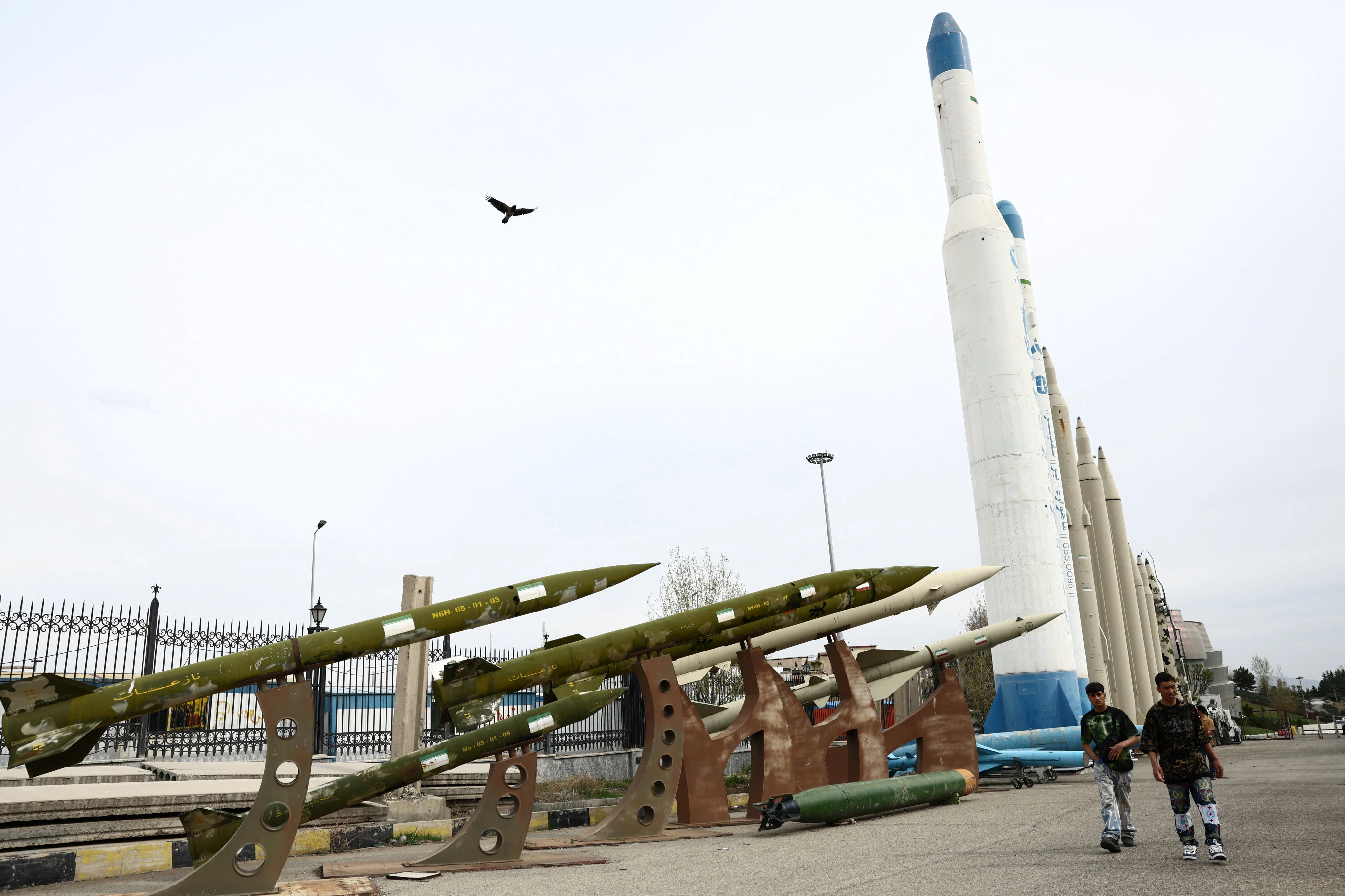
Iranian missiles in a park in Tehran, for show.
Photo: West Asia News Agency Israel launched a new wave of strikes on Iran on Friday after US President Donald Trump claimed talks on ending the war were going well and gave Tehran more time to open the Strait of Hormuz, though there have been no signs of Iran backing down.
With stock markets reeling and economic fallout from the war extending far beyond the Middle East, Trump is under growing pressure to end Iran’s chokehold on the strait, a strategic waterway through which a fifth of the world’s oil is usually shipped.
The US has offered Iran a 15-point proposal for a ceasefire that includes it relinquishing control of the strait, but at the same time has ordered thousands more troops to the region, possibly in preparation for a military attempt to wrest the waterway from Iran’s tight grip.
With time running out on a deadline set by Trump for Iran to open the strait, after which he had threatened to destroy Iran’s energy plants, he pushed his self-imposed deadline back to April 6 on Thursday, saying that talks on ending the conflict were going “very well”.
Iran, however, maintains it is not engaged in any negotiations.
Rocket trails are seen in the sky amid a fresh barrage of Iranian missile attacks above the Israeli coastal city of Netanya.
Photo: AFP Israel’s attack Friday on targets “in the heart of Tehran” targeted sites used by Iran to produce ballistic missiles and other weapons, the Israeli military said.
It also hit missile launchers and storage sites in western Iran.
Smoke also rose over Beirut, although Israel did not immediately report hitting the Lebanese capital, while air raid sirens sounded in Israel as the military said it was working to intercept Iranian missiles.
Iran kept firing missiles and drones at its Gulf Arab neighbors, with sirens warning of attacks in Bahrain, Qatar and the United Arab Emirates.
Kuwait said its Shuwaikh Port in Kuwait City had sustained “material damage” in attack but that nobody was hurt.
After Wall Street’s worst day since the war began, Asian shares mostly fell Friday over growing doubts about the chances of de-escalation.
Oil prices rose again, the Brent crude, the international standard, at US$107 a barrel in morning trading, up more than 45 per cent since Israel and the US attacked Iran on February 28 to start the war.
US pushing diplomatic solution but sending more troops to the region Iran’s stranglehold on shipping through the Strait of Horm
原文链接: 南华早报