
Hong Kong home prices surge to near 2-year high, but Iran war clouds outlook
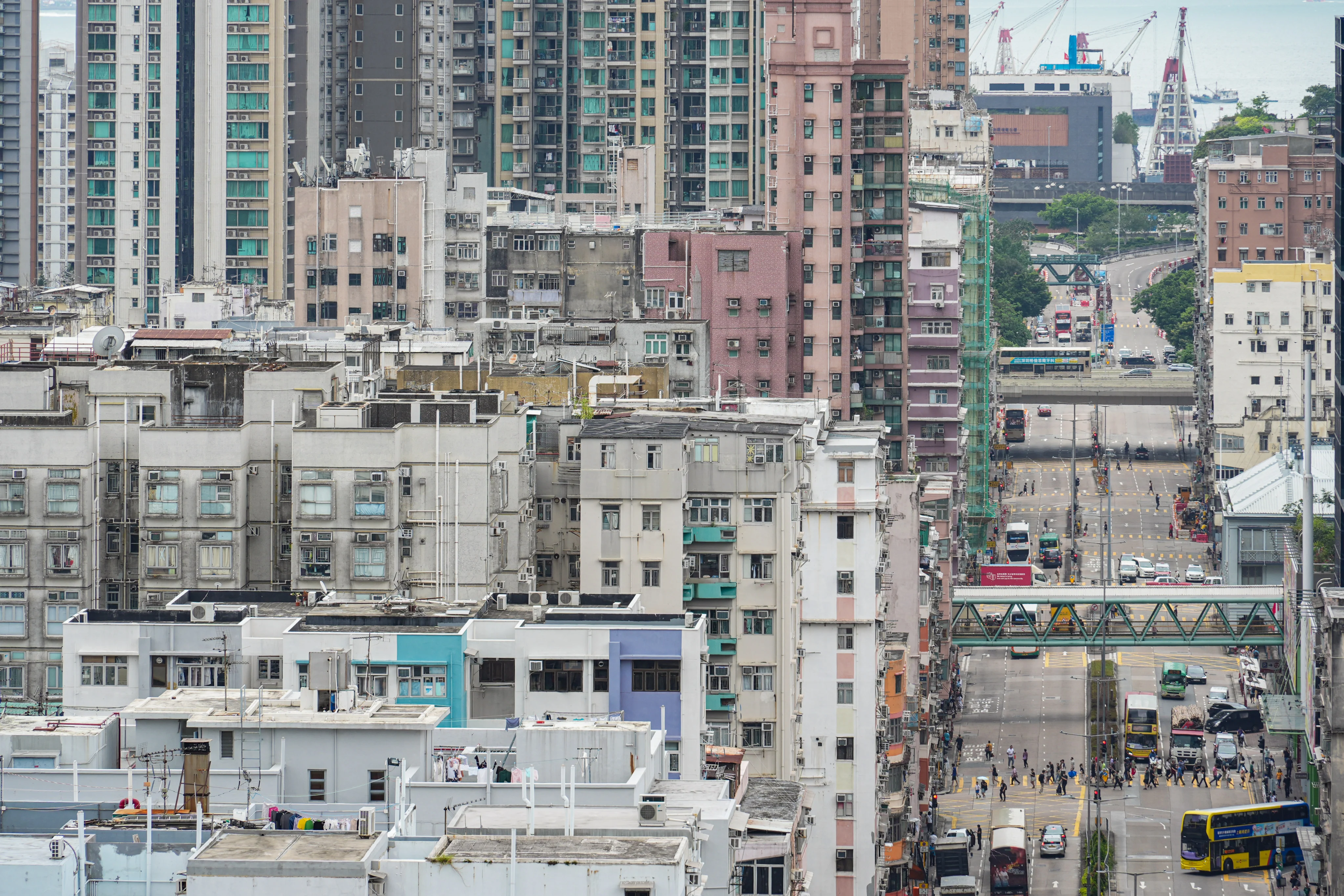
A view of a residential area in Sham Shui Po on May 28, 2025.
Photo: Eugene Lee Hong Kong’s lived-in home prices rose 1.6 per cent in February, marking the 11th straight month of positive movement for the residential property segment, as the city’s rents scaled another peak, according to official data.
Since reversing a downward trend in April, second-hand home prices had climbed nearly 8 per cent so far, bringing the official index to a 22-month high, according to data released on Friday by the Rating and Valuation Department.
The latest monthly increment was also larger than the 1.03 per cent increase in January.
The data do not yet reflect uncertainty over the direction of interest rates amid skyrocketing oil prices owing to the US-Israel war on Iran that began on February 28. “Tensions in the Middle East have not had any immediate impact on the Hong Kong residential market,” said Eddie Kwok, executive director for valuation and advisory services at CBRE Hong Kong. “However, if the situation persists and oil prices continue to rise, thereby fuelling inflation and leading to an upward turn in interest rates, it would have a negative effect.” Last week, the US Federal Reserve kept its target rate in the range of 3.5 per cent to 3.75 per cent, after the second meeting of the Federal Open Market Committee this year.
Following the decision, the Hong Kong Monetary Authority warned of the uncertain direction of US monetary policy, adding that the “public should carefully manage interest rate risks when making decisions about property purchase, investment or borrowing”.
Hong Kong’s monetary policy moves in lockstep with the US to maintain the local currency’s peg to the US dollar.
The Fed’s pause was “within market expectations”, said Kathy Chan, equity analyst at US financial services firm Morningstar.
However, the market was now expecting a single cut this year instead of two, she said.
A rate hike could also be possible, although its probability remained low, she added.
For now, Kwok said the consultancy was sticking to its forecast of a 3 to 5 per cent increase in home prices this year as Hong Kong’s residential property remained “relatively resilient” and was “currently in a recovery phase”.
Additionally, the Hong Kong interbank offered rate (Hibor), a key driver of local mortgage costs and corporate borrowing rates, has been declining since the fourth quarter of last year, with the cumulative drop now exceeding 100 basis points. “Should Hibor r
原文链接: 南华早报