
Iran crisis bites into Malaysia’s supply chain as Anwar cuts fuel subsidy quota
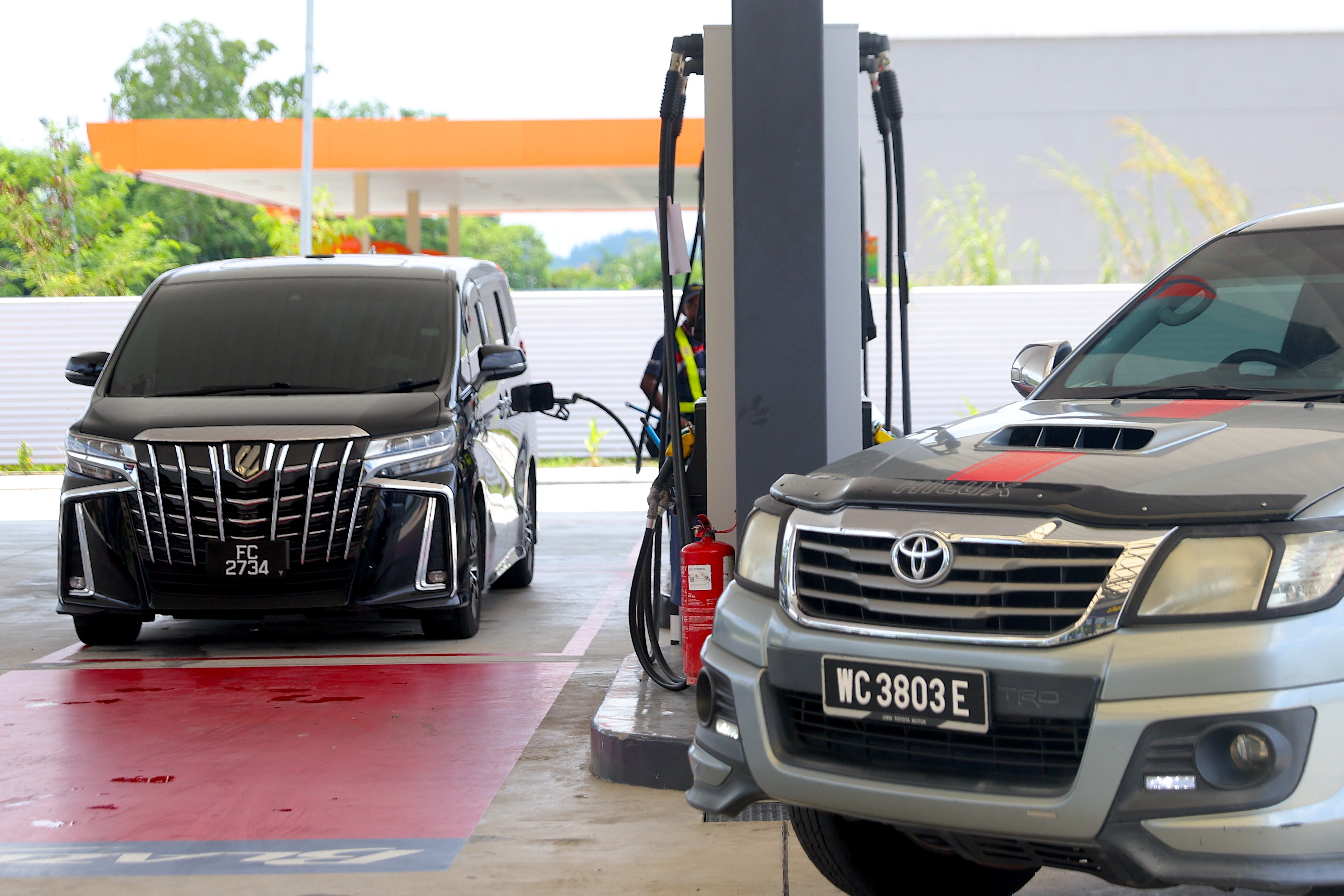
A vehicle is fuelled at a petrol station in Negri Sembilan on Wednesday.
Surging diesel prices have put Malaysia in “a second-order stress phase”, analysts say.
Photo: EPA Four weeks into the US-Israeli war on Iran, the crisis is beginning to bite in Malaysia, where Prime Minister Anwar Ibrahim has cut the monthly quota for subsidised petrol and food manufacturers are warning that surging diesel costs could force them to close or raise prices.
The move reflects how a distant geopolitical shock is beginning to feed directly into Malaysia’s fuel bill, food supply chain and inflation outlook, analysts note.
In a special televised address on Thursday, Anwar said the fallout from the conflict was no longer something Malaysia could watch from a distance.
He said, however, that its vessels were once again being allowed through the Strait of Hormuz – the important chokepoint for global oil and gas trade – following talks between Anwar and leaders in Iran, Egypt, Turkey and other regional countries.
Malaysia, a Muslim-majority country, has long maintained cordial ties with Iran and has recognised Tehran’s right to protect its sovereignty while also urging a rapid resolution to the conflict.
Prime Minister Anwar Ibrahim says the fallout from the Iran conflict is no longer something Malaysia can watch from a distance.
Photo: dpa Anwar said the blockade at the Strait of Hormuz, the war and disrupted oil and gas supplies “all have an impact on us”, even if Malaysia was in a better position than some countries because of state-owned energy giant Petronas.
He said food supplies had also been affected and that prices would “certainly rise”, alongside those for fertiliser, oil and gas.
The government’s most immediate move was to keep the subsidised BUDI95 petrol programme at 1.99 ringgit (50 US cents) per litre while lowering the monthly eligibility cap to 200 litres from 300 litres starting April 1.
Malaysia will also impose limits on each fuel purchase, tighten enforcement against smuggling and leakages, and allow selected civil servants to work from home in stages, while urging the private sector to consider similar arrangements.
Since the US-Israel war on Iran began, global oil prices have swung sharply higher and supply chains from fuel to fertiliser have come under strain.
US President Donald Trump said on Thursday that talks were going “very well” and that he would pause attacks on Iran’s energy plants for 10 days, though analysts noted markets remained
原文链接: 南华早报