
China’s airlines add 2,900 flights to Europe as Russia access pays dividends
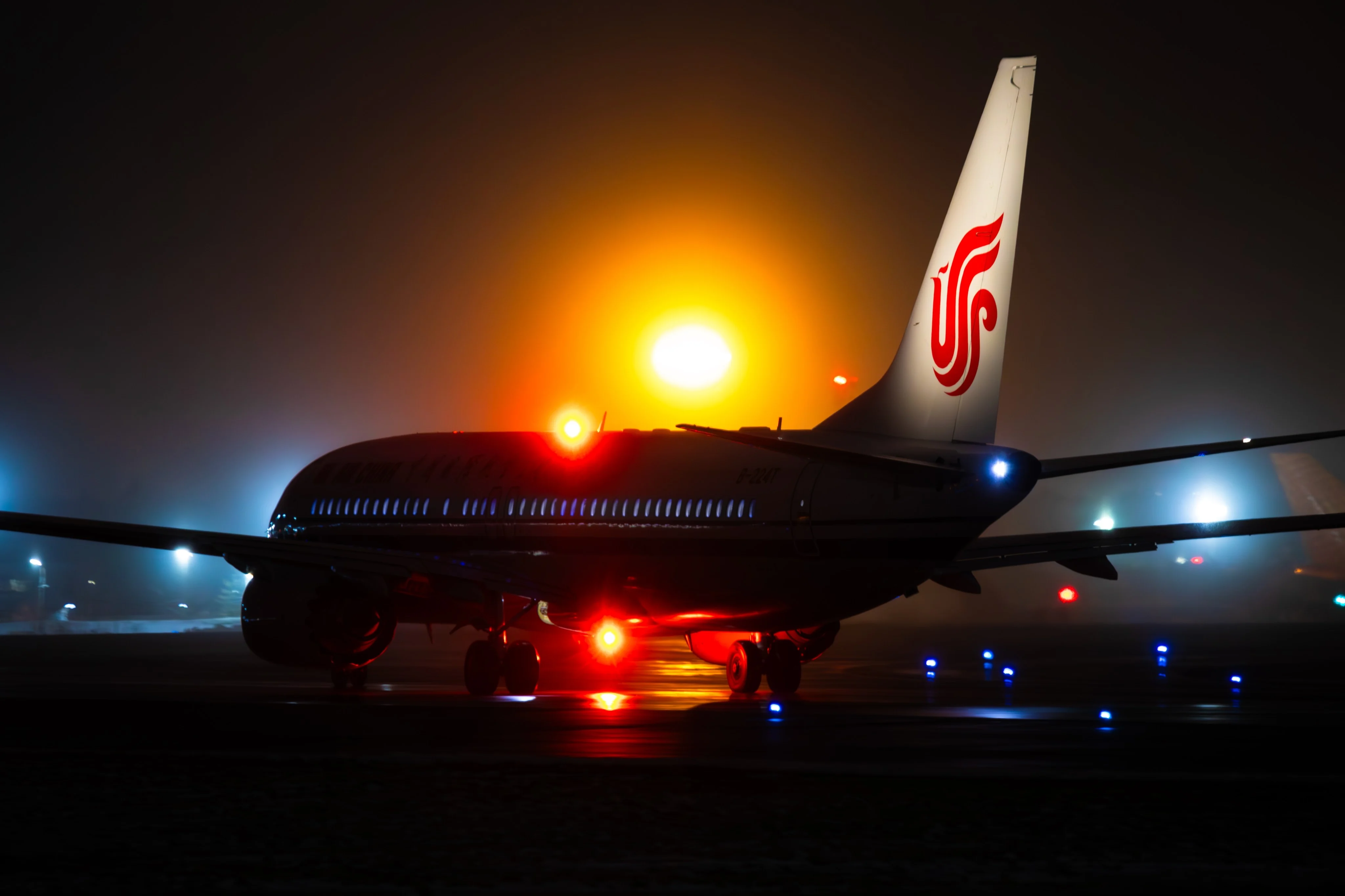
A Boeing aircraft operated by Air China taxis at Moscow Sheremetyevo Airport.
Chinese airlines’ access to Russian airspace has given them a major advantage over other global carriers in recent years.
Photo: Shutterstock China’s airlines are expected to add nearly 2,900 more China-Europe flights to their summer schedules compared with last year, analysts said, as the US-Israel war on Iran hands them an even greater competitive advantage over other global carriers.
Unlike many Western airlines, Chinese carriers can fly directly through Russian airspace to Europe rather than taking a lengthy detour, allowing them to offer quicker flights, save on fuel and avoid sending planes over the Middle East.
The number of European flights offered by Chinese airlines will rise by a net 2,891, with flagship carrier Air China adding 1,120, China Southern Airlines adding 839 and China Eastern Airlines adding 654, according to data compiled by the British aviation intelligence firm OAG.
Smaller Chinese carriers including Hainan Airlines also have plans to increase their China-Europe flights, OAG said, with the announced schedules covering a period running from the end of March to October.
Airlines anticipate establishing new China-Europe routes as well, OAG said.
A single route can operate numerous flights.
Russia has banned a host of European and North American airlines from its airspace over their home countries’ sanctions against Moscow relating to the war in Ukraine, which has handed Chinese carriers a major advantage on China-Europe routes.
The need to divert around Russia adds two to three hours to a China-Europe flight and raises costs by at least US$10,000 per hour, according to OAG estimates.
Some European airlines have reduced or cancelled their China flights as a result, leaving a gap that China’s carriers can fill, analysts said this week.
China’s geographic location relative to Europe also allows flights to avoid the Middle East, an advantage amid the Iran war, experts noted.
For example, a Beijing-Milan flight can naturally bypass all Middle Eastern countries without changing paths.
Many international airlines that normally use Middle Eastern airspace have been forced to change their flight paths since US and Israeli strikes on Iran began on February 28. “What we are seeing is how travellers are responding to evolving airspace conditions and connectivity constraints,” said James Tang, flight metasearch platform Skyscanner’s travel trends and destin
原文链接: 南华早报