
As wars threaten global climate, activists push for Cop31 to discuss defence spending
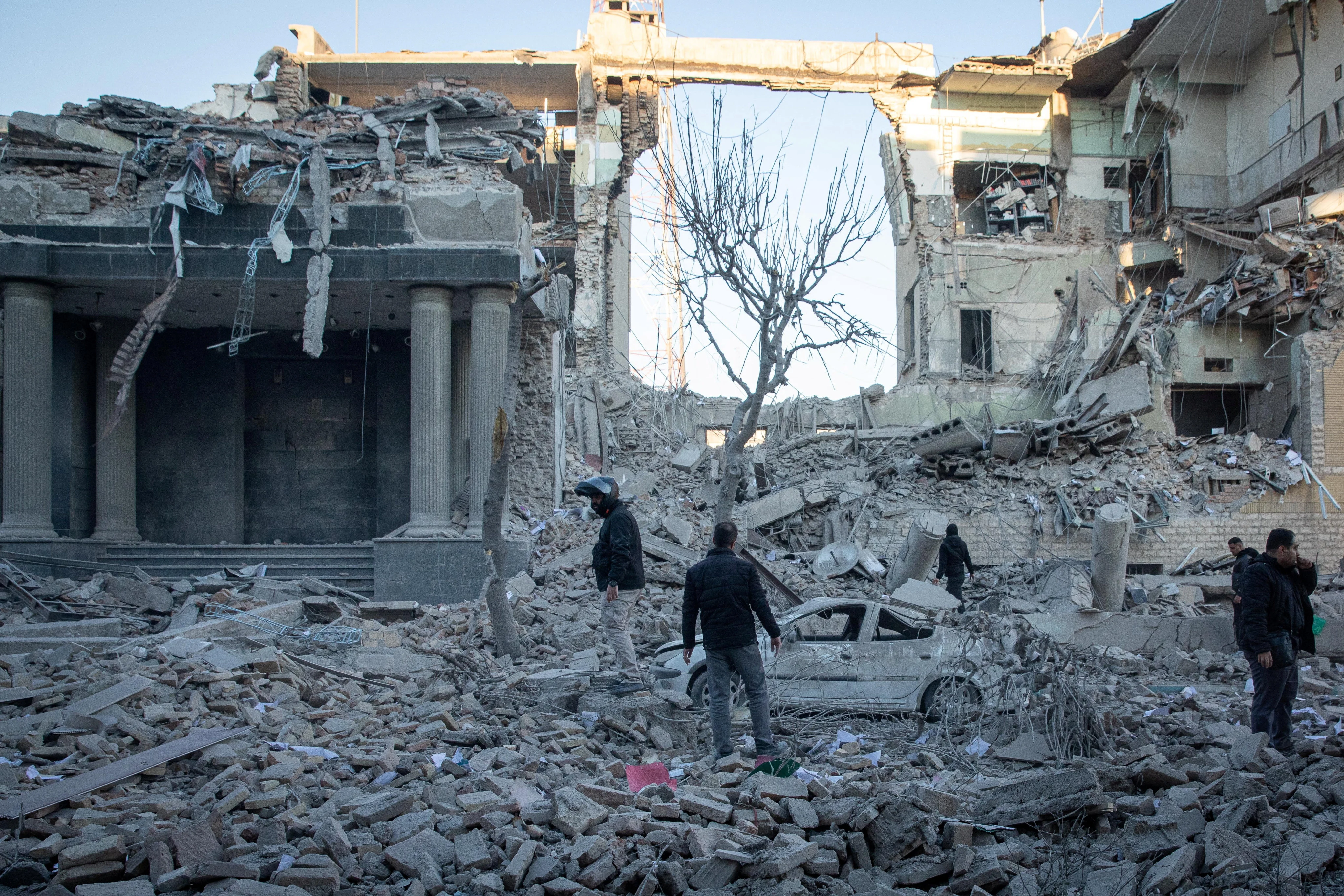
A damaged police station in Tehran following Israeli and US strikes on March 3.
Global conflicts are hampering climate goals to reduce or end fossil fuel use.
Photo: West Asia News Agency via Reuters Massive carbon emissions from military activities and war-driven fossil fuel dependence are undermining the global energy transition, climate advocates warn as they point to the ongoing Iran conflict exacerbating this long-standing blind spot.
Activists from Climate Action Network Southeast Asia, Oxfam and the Fossil Fuel Treaty convened in Kuala Lumpur earlier this week to discuss strategies to protect the global environment at the Southeast Asia-South Asia Preparatory Meeting for the Santa Marta Conference in Colombia next month and Cop31 in Antalya, Turkey, in November.
Harjeet Singh, strategic adviser of the Fossil Fuel Treaty, a global campaign pushing for an agreement to end new fossil fuel expansion and phase out existing fossil fuel production, said military-linked emissions might account for 5 per cent of global carbon output. “That share is likely higher, especially when the full life cycle is considered, from weapons production to battlefield fuel use and post-war reconstruction,” Singh said.
A report released in November 2025 by the Conflict and Environment Observatory (CEOBS), a UK-based body that researches and raises awareness of the environmental harm caused by armed conflicts and military activities, points to the lack of data transparency as a key challenge.
It said analysis of military emissions data submitted by countries to the UN Framework Convention on Climate Change (UNFCCC) continued to be limited, with the top three military spenders – the United States, China and Russia – either not submitting data or providing incomplete figures.
US military personnel remove munitions from a B-1 Lancer bomber at Fairford in England on March 15.
Global emissions due to military activities are rising.
Photo: AFP CEOBS estimates that the world’s militaries account for 5.5 per cent of global emissions, with the figure remaining patchy because of limited official reporting to the UN. “Military emissions are likely to grow given recent increases in military expenditure, with the Stockholm International Peace Research Institute finding a 9.4 per cent increase in military spending in 2024 compared with 2023, the steepest year-on-year rise since at least the end of the Cold War,” CEOBS said.
The US remained the world’s biggest military spender at U
原文链接: 南华早报