
Time to confront folly of Iran war and irrational US spending
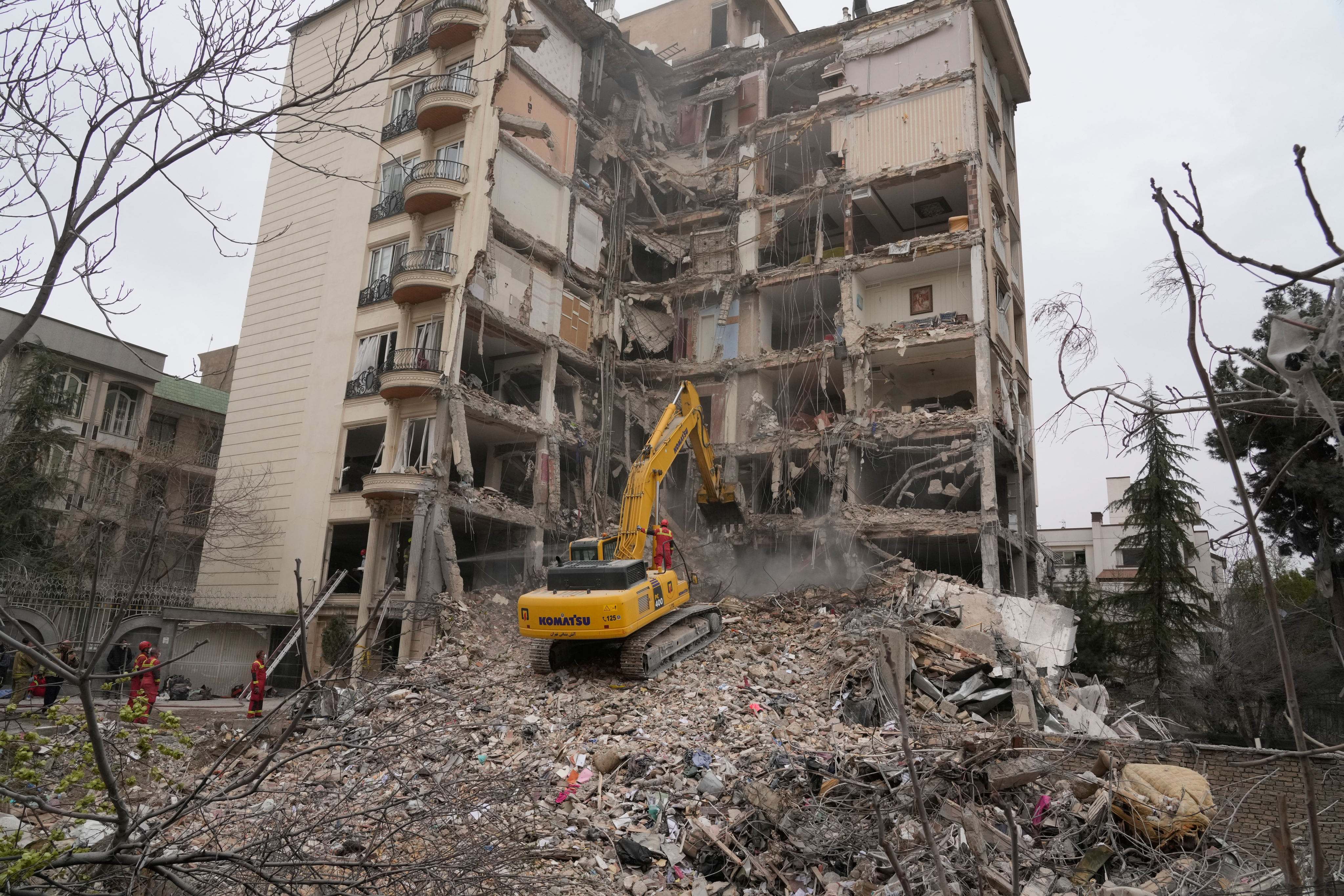
Iranian firefighters use an excavator to clear rubble from a residential building that was hit in an earlier US-Israeli strike in Tehran, on March 23.
Photo: AP After eight decades of relative peace following the end of World War II, we now find ourselves in the midst of the Russian invasion of Ukraine entering its fourth year and escalating violence between Israel, the US and Iran.
After 12 days of fighting last June, the latter conflagration has erupted again in a widening war that has killed Iran’s Supreme leader Ayatollah Ali Khamenei and closed the Strait of Hormuz, sending oil prices to near record highs.
In 1984, American historian Barbara Tuchman – celebrated for her analysis of World War I in The Guns of August – wrote The March of Folly: From Troy to Vietnam on how leaders throughout history have pursued policies contrary to their own best interests, even though there are better alternatives.
Governments make horrible mistakes when they are blinded by individual egos, excessive political manoeuvring, lack of moral direction and outcomes that become catastrophic for everyone.
After the US suffered defeat in Vietnam and spent years bogged down by ruinous invasions of Afghanistan and Iraq, why would US President Donald Trump join the ranks of American leaders signing up for forever wars when one of his major promises while campaigning for president was to end wars rather than start them?
Trump might be able to blame his predecessors for the state of Ukraine, Iraq, Afghanistan and Syria.
But the current war in Iran – which has not received approval from the US Congress – will be known as either Trump’s triumph or Trump’s folly.
Tuchman argued that folly thrives where few key advisers or experts have the moral courage to speak truth to power, because many succumb to personal ambition or fear of being outcast in an institutionalised groupthink.
We are now sliding into a dangerous psychological phase of a looming nuclear World War III.
If there is no acceptable off-ramp for either Israel or the US, someone could authorise the use of a small nuclear device or strike a nuclear facility that would change the whole dimension of the war.
The devastation and post-nuclear costs are unthinkable, but we must confront such consequences.
Barring how difficult it will be to negotiate a peace deal after Iran, Israel and many of their neighbours have suffered seriously damaged infrastructure, including to desalination plants, the only solution is the pres
原文链接: 南华早报