From semiconductors to medical tech, Iran war puts helium users on edge
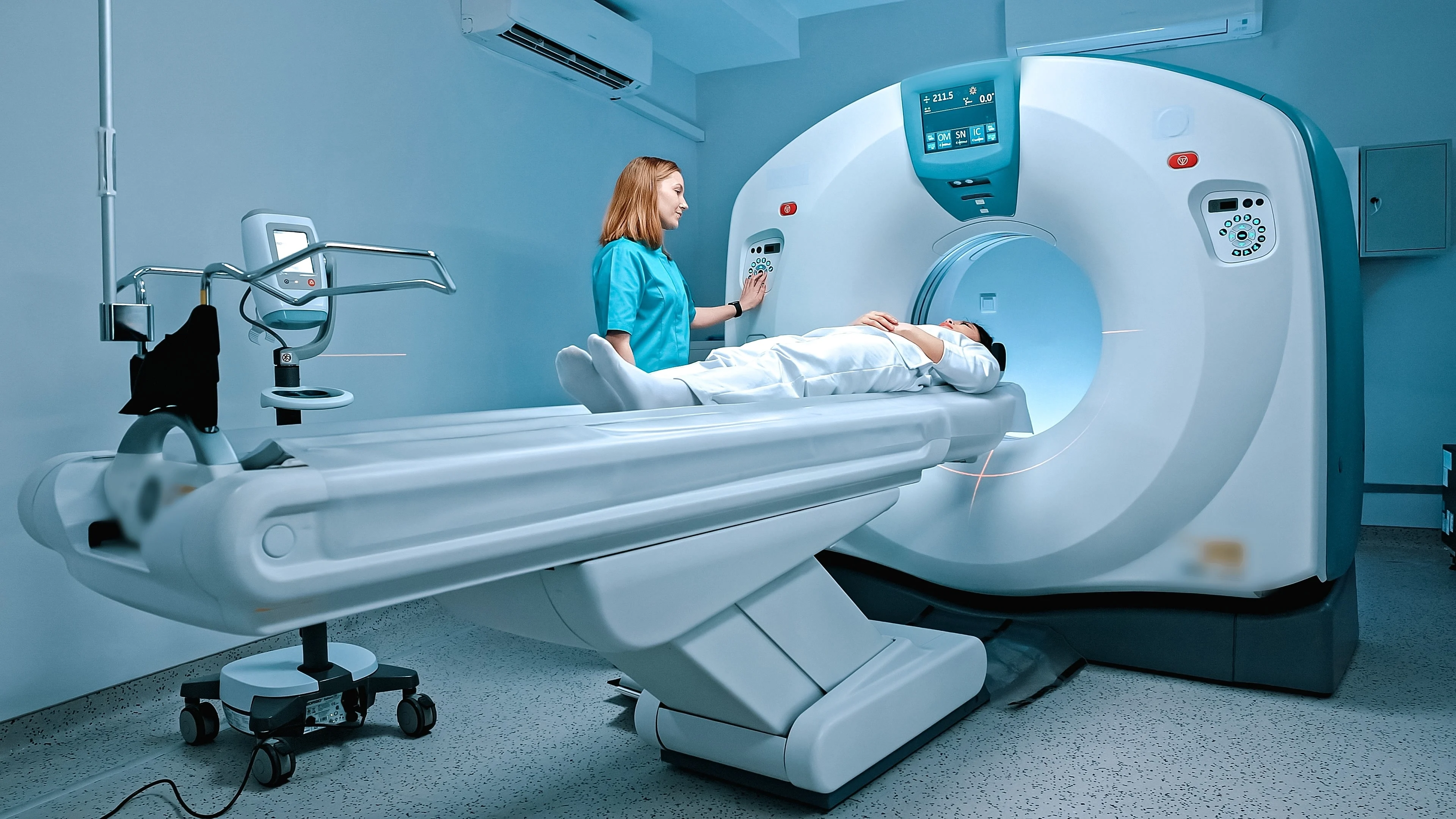
A radiologist gives instructions to a patient about to undergo an MRI scan.
Photo: Shutterstock Beyond oil, the Middle East conflict is fuelling fears of a shortage of helium – a by-product of liquefied natural gas (LNG) production that is critical for semiconductors, aerospace applications and high-end medical equipment.
The medical sector is on alert, as magnetic resonance imaging machines depend on liquid helium to cool their superconducting magnets, and a supply crunch could jeopardise diagnostic services.
A warning from Marc Johnson, a virologist and professor at the University of Missouri, this week on the potential disruption of liquid helium supplies highlighted a growing unease over how the effects of the conflict, which began when the US and Israel launched attacks on Iran on February 28, could ripple through everyday life.
Iran has retaliated with strikes on energy infrastructure across the Middle East. “I hope no one needs an MRI this year,” Johnson wrote in a social media post on Tuesday. “The world’s largest producer of liquefied helium is in Qatar and is shut off.
We just got a notice that our supply for the year will be at least cut in half.
No one could have predicted this (unless they thought about it).” Helium prices had roughly doubled since the conflict began, Shelley Jang, director of corporate ratings at Fitch Ratings’ branch in Seoul, said on Thursday.
Unlike crude oil or grain, helium is difficult to store.
Liquid helium is subject to constant boil-off within a transport window lasting roughly 45 days, meaning the market relies on rapid throughput and logistics, rather than long-term stockpiling.
The US Geological Survey said Qatar accounted for 33.2 per cent of global helium production last year.
Recent Iranian strikes on Qatari LNG facilities – with recovery times estimated in years – combined with the war’s disruption of Persian Gulf shipping, have dealt a massive blow to a global supply chain already operating on thin margins.
Jang and another Fitch analyst said in an article released on March 17 that “regional exposure differs considerably and determines where supply stress will emerge first”.
They said South Korea and Taiwan, the world’s top chipmaking hubs, were more vulnerable due to their heavy reliance on imports from the Middle East, while Japan was in a relatively more stable position because it sourced half of the helium it used from the United States.
South Korea has launched an investigation into the sup
原文链接: 南华早报