
A way out for the US and Iran? The diplomatic path that could prove China right
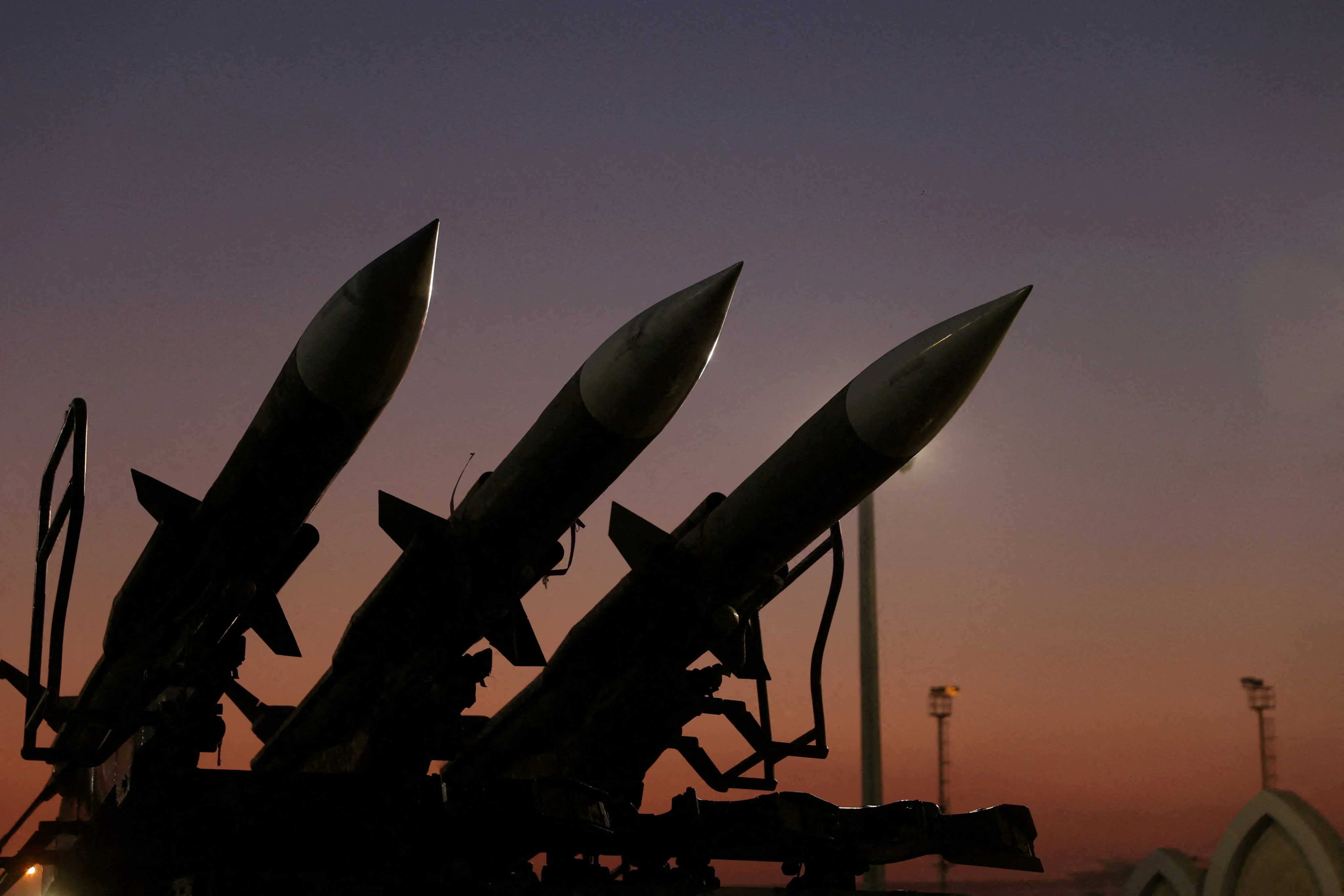
Missiles are displayed at a museum in Tehran, Iran, on November 12.
Photo: via Reuters Nuclear containment and regional ceasefires are the most viable entry points for potential negotiations between Washington and Tehran, according to a prominent Chinese expert on the Middle East.
Niu Xinchun, director of the China-Arab Research Institute at Ningxia University, said the escalating conflict had vindicated China’s insistence on diplomatic and political solutions as the only way forward.
He said that although both the US and Iran were open to talks – with Washington “in a much greater hurry” – progress depended on substantial concessions to narrow the divide between their public positions. “The most likely areas for concessions start with a ceasefire and the nuclear issues,” he said, citing the Iran nuclear deal signed in 2015 as a precedent.
Washington withdrew from the deal in 2018 under Donald Trump’s first presidential term, claiming the agreement failed to curb Iran’s missile programme and regional influence.
Tehran began exceeding the limits on its nuclear programme a year later. “Before the conflict broke out, Iran explicitly stated that the nuclear issue was on the table, whereas their missile programme and regional proxy issues were not.
Iran’s policy hasn’t changed – they are still willing to discuss the nuclear programme,” Niu said.
Niu Xinchun is director of the China-Arab Research Institute at Ningxia University.
Photo: Handout But the US has now shifted from “no nuclear weapons” to a total “zero-nuclear” demand aimed at dismantling civilian infrastructure.
The move essentially ends Iran’s right to peaceful nuclear technology, which Niu noted was “exactly what Iran finds unacceptable”.
Tehran has rejected Washington’s 15-point peace plan sent via intermediaries.
What the framework contains has not been disclosed, but some have speculated it is based on a US proposal from last year that Iran has already turned down. “There is still significant room for negotiating the nuclear issue … it all comes down to whether both sides are willing to budge,” Niu said.
The war in Iran is in its fourth week.
While Trump has halted strikes on Iranian energy infrastructure for five days, he is also sending more naval ships and marine forces to the region, and joint US-Israel air campaigns continue.
Despite the loss of key Iranian leadership, the country’s political and military systems remain intact and Tehran continues to hit back against the US and
原文链接: 南华早报