
Iran war’s environmental toll could leave damage and health risks for decades, experts say
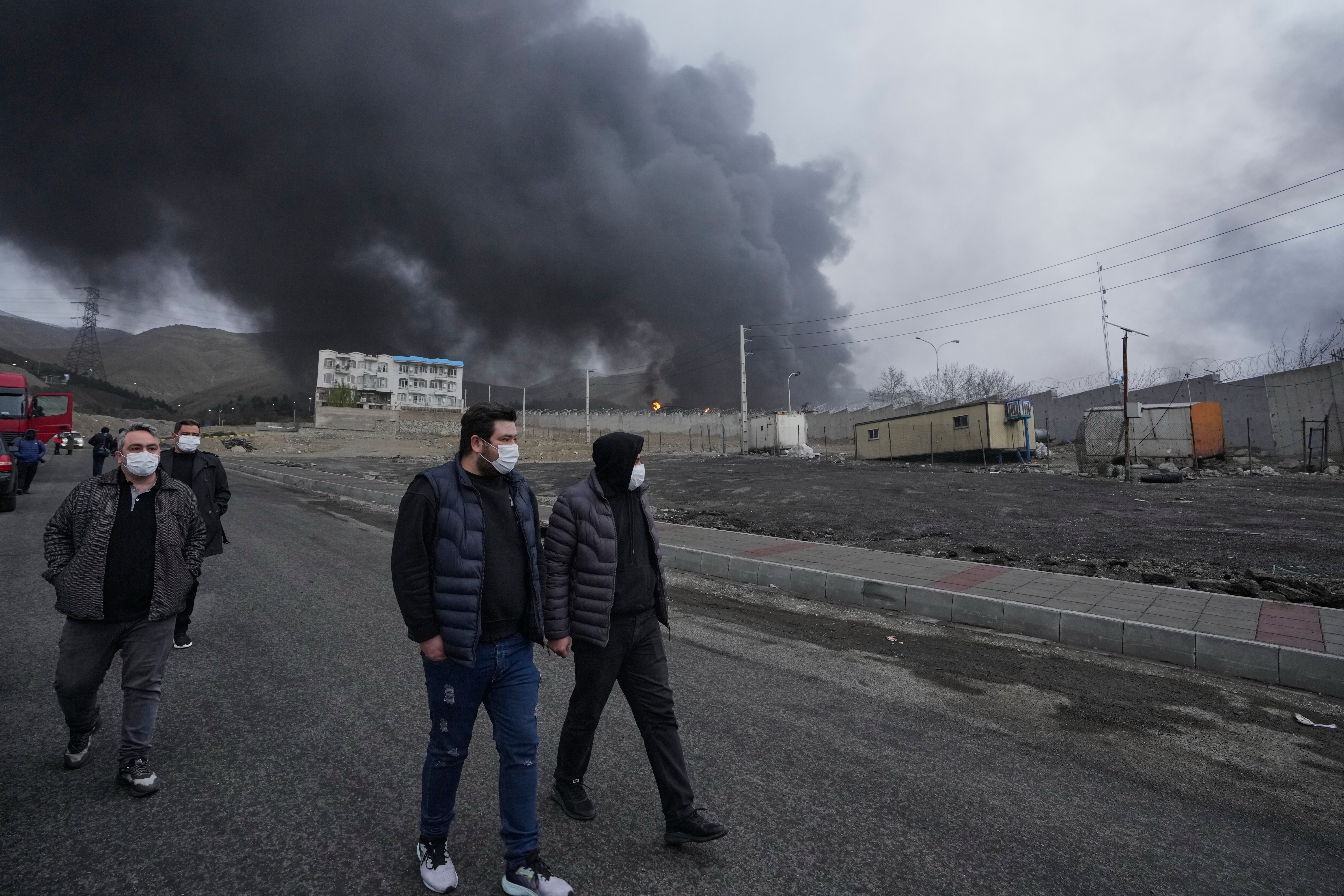
A thick plume of smoke rises March 8, 2026, from an oil storage facility struck overnight in Tehran, Iran. (AP Photo/Vahid Salemi, File) 2026-03-26T13:01:17Z Oil depots spewing black smoke.
Debris sinking in the Persian Gulf .
Missiles pounding military sites.
The Iran war has unleashed a toxic mix of chemicals, heavy metals and other pollutants that threaten everything from agriculture to drinking water to people’s health — and will leave behind environmental damage and health risks that could persist for decades , experts said. “All the burning of oil and gas fields in the coastal areas, all the ships that are there, the oil tankers that are being burned or (sunk) — all of these mean pollution,” said Kaveh Madani, an Iranian scientist and director of the United Nations University Institute for Water, Environment and Health. “For someone like me who has fought for sustainability and protection of the environment in that region, this is like going many years backward.” Documenting the damage has proved daunting, with a full accounting impossible for now, said Doug Weir, director of the Conflict and Environment Observatory, a U.K.-based nonprofit that monitors environmental harms from armed conflicts.
First responders inspect the remains of a residential building hit in an overnight strike during the U.S.-Israeli military campaign in Tabriz, Iran, March 24, 2026. (AP Photo/Matin Hashemi, File) –> Add AP News on Google Add AP News as your preferred source to see more of our stories on Google. –> Share Share Facebook Copy Link copied Email X LinkedIn Bluesky Flipboard Pinterest Reddit Read More The group uses remote satellite sensing and open-source intelligence to identify damage and score environmental risks to people, ecosystems and agricultural land.
So far, it has recorded more than 400 environmentally concerning incidents related to the war, though much is still unknown due to delays in satellite imagery and an internet blackout in Iran , Weir said.
Attacks on oil- and gas-related sites create some of the worst environmental risks because of impacts to air quality and soil and water pollution, as well as health threats to people.
Harder to quantify are risks from bombed military sites, some of which are deeply buried and some near populated areas, adding to “huge uncertainties” around potential impacts, Weir said.
The air pollution unleashed could lead to many health problems Plumes of smoke and fire rise after debris from an intercepted Irani
原文链接: AP News