
What can the Iran war tell China about missile interception?
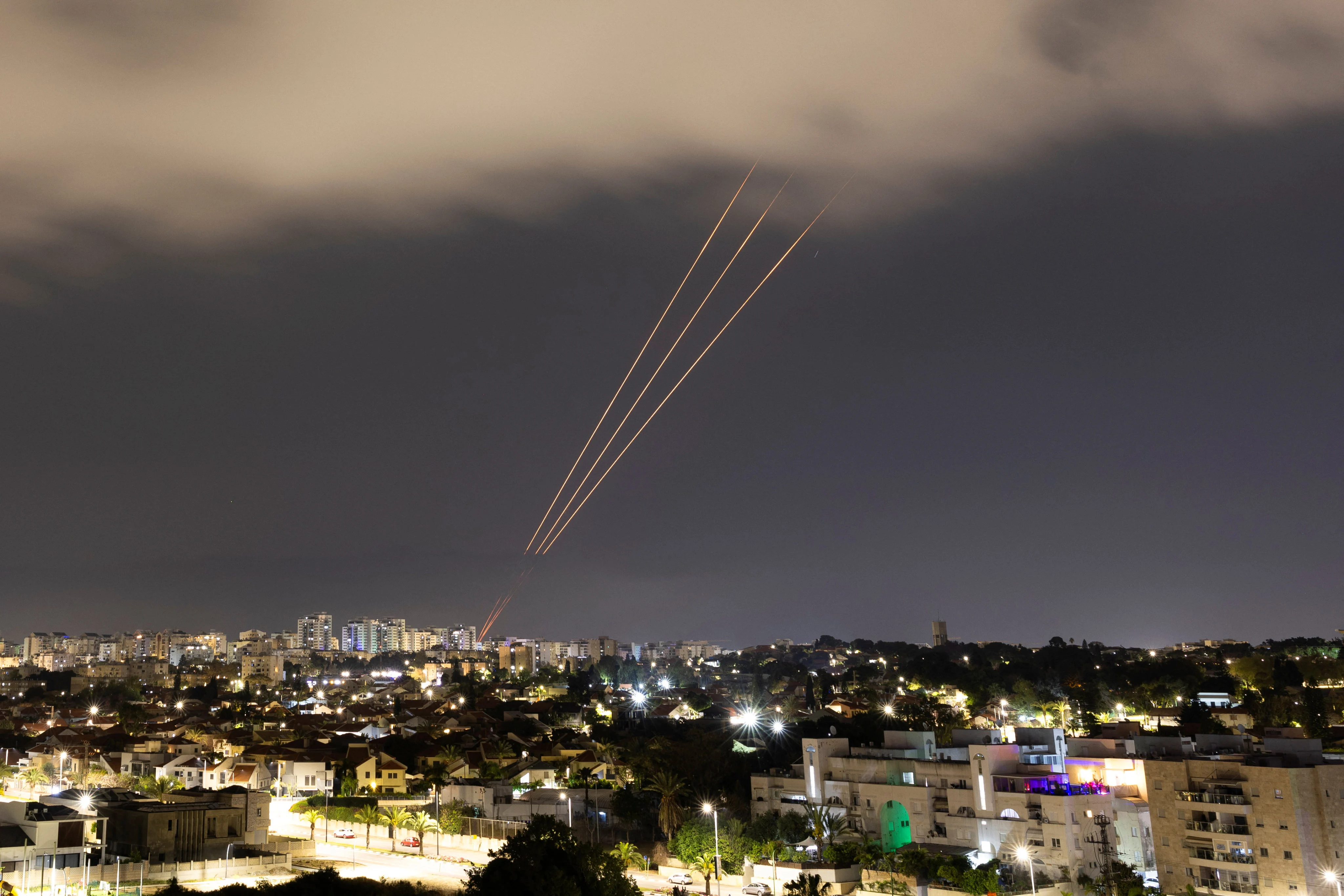
New analysis in a Chinese defence journal says the PLA’s current ground- and sea-based missile defence systems are not sufficient.
Photo: Reuters Beijing should develop an air-based interceptor system as missile threats escalate from Washington and its regional allies, as well as Taiwan and India, a mainland Chinese military magazine has urged, pointing to developments in the Iran war.
The war in the Middle East, particularly the “nearly insurmountable challenges” posed by Iran’s ballistic missiles to Israel, is exposing the limitations of existing midcourse and terminal-phase missile defence systems, according to an analysis in the March issue of Defence Review journal.
As a result, it suggested, boost or ascent-phase interception by forward-deployed aircraft was now essential.
The article proposed deploying fighters and/or drones equipped with air-launched missile interceptors to approach potential enemy missile sites in the “first island chain” and loitering to hunt the ballistic missiles shortly after launch.
At the boost stage, ballistic missiles move more slowly, lack manoeuvrability and emit intense infrared heat signatures that are easier for interceptors to track.
Additionally, if they were successfully neutralised, any debris or hazardous payload would fall on or near the launch area rather than on the territory of the defending side, thereby minimising collateral damage, the analysis said. “China has long faced substantial missile threats … which currently remain extremely severe,” it said, stressing the need for a “comprehensive, multilayered missile defence network capable of covering all flight phases of incoming ballistic missiles”, referring to the boost, midcourse and terminal stages.
It highlighted the United States’ deployment of the Typhon missile system to the Philippines and Japan in recent years, alongside Japan’s planned mass production of the Hyper Velocity Gliding Projectile, a hypersonic glide missile, later this year.
Meanwhile, in Taiwan’s arsenal, some indigenously developed systems and some US-supplied weapons, such as the Army Tactical Missile System, were capable of striking targets along the mainland coast, and even deep inland, the report said.
It also pointed to South Korea’s Hyunmoo family of ballistic missiles, which could already reach all of North Korea, Beijing’s treaty ally, as well as parts of northeastern China.
And to the west, India’s Agni series could reach major Chinese cities, such as Beijing and S
原文链接: 南华早报