
How much junk is in South China Sea? Beijing flexes surveillance muscle with survey
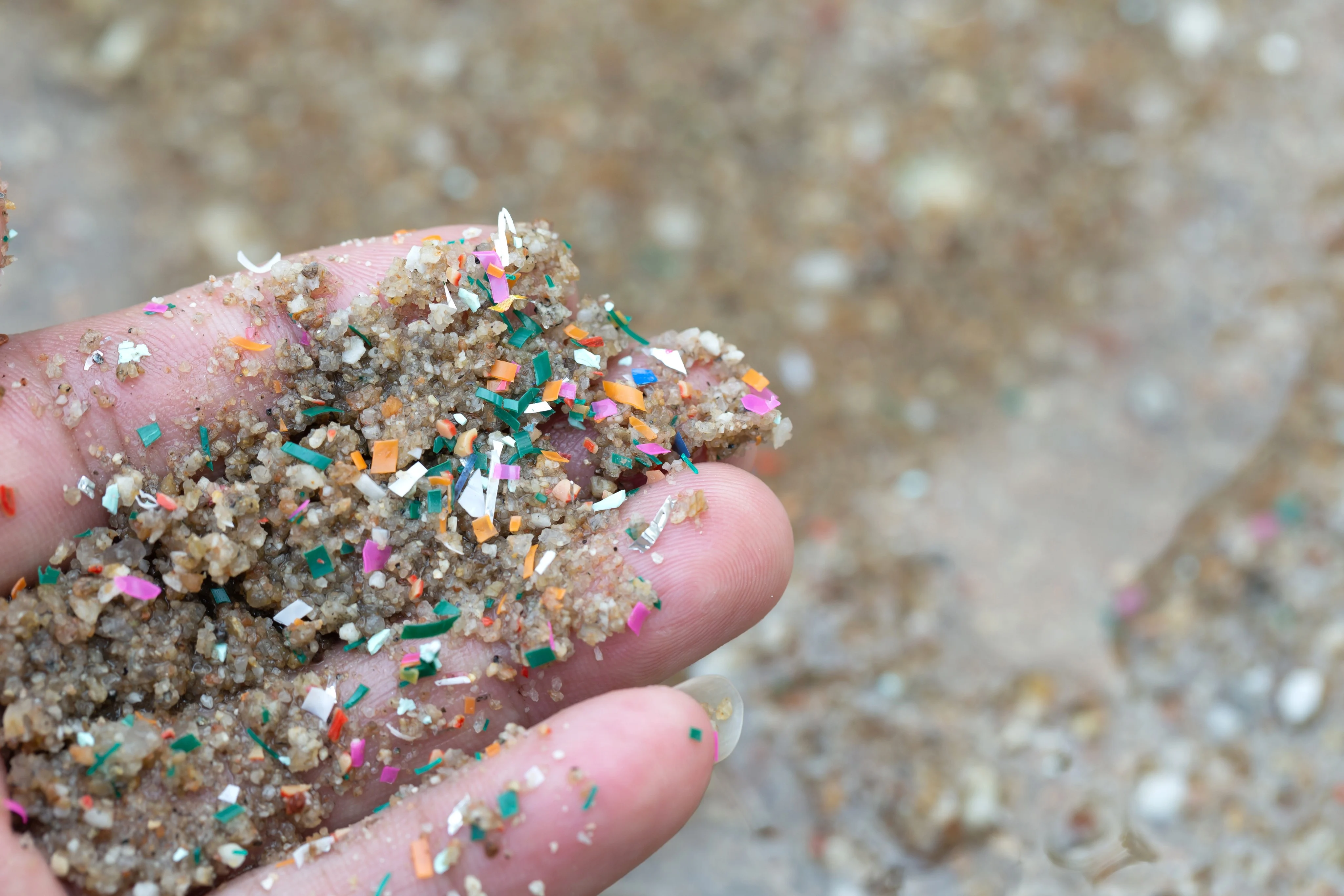
China’s Ministry of Ecology and Environment says it counted 0.67 microplastic items per cubic metre in areas of the South China Sea.
Photo: Shutterstock An estimated 93 million pieces of debris could be floating on the surface of the South China Sea, based on data collected by China in a projection of its marine monitoring and remote sensing prowess.
Using technologies such as fixed-ship monitoring, underway surveys and satellite remote sensing, marine scientists and ecologists audited 26 spots in the central and southern parts of the disputed waters.
In a report released this month, Beijing’s Ministry of Ecology and Environment said it collected data on the environmental quality of seawater, floating marine debris and microplastics, greenhouse gases, and island and reef ecosystems from May to June last year.
The monitoring “supports and guarantees stronger protection for the South China Sea’s marine ecology, maintaining the safety bottom line of its environment and safeguarding national marine rights and interests”, it said.
The 26 monitoring stations were set up across the 3.5 million sq km (1.35 million square miles) of the South China Sea, researchers identified an average of 26.5 pieces of rubbish per sq km, with the highest concentration found in the western South China Sea.
If extrapolated to the whole region, this average would mean an estimated 92.75 million pieces.
They also detected 0.67 microplastic items per cubic metre.
These items, appearing mainly as white or translucent films or fragments, included common thermoplastics such as polypropylene and polyethylene.
Scientists from seven agencies, including the National Marine Environmental Monitoring Centre, found that more than 93 per cent of the debris was plastic, including styrofoam and packaging pieces, followed by wood products.
The ministry said the water quality was shown to meet the highest standards, with radioactive materials below the level of detection.
It also used remote-sensing technology to survey 108 islands and reefs, and said it found that a total area of 10 sq km was covered by vegetation.
In the South China Sea, tensions over contested features between China and its Southeast Asian neighbours, including Vietnam and the Philippines, have emerged as major regional flashpoints.
The latest report focuses on the wider area of the contested waters of the South China Sea, in contrast to water quality and pollution reports released by the Ministry of Natural Resources
原文链接: 南华早报