Is Russia really shaping up as the biggest winner from the Iran war?
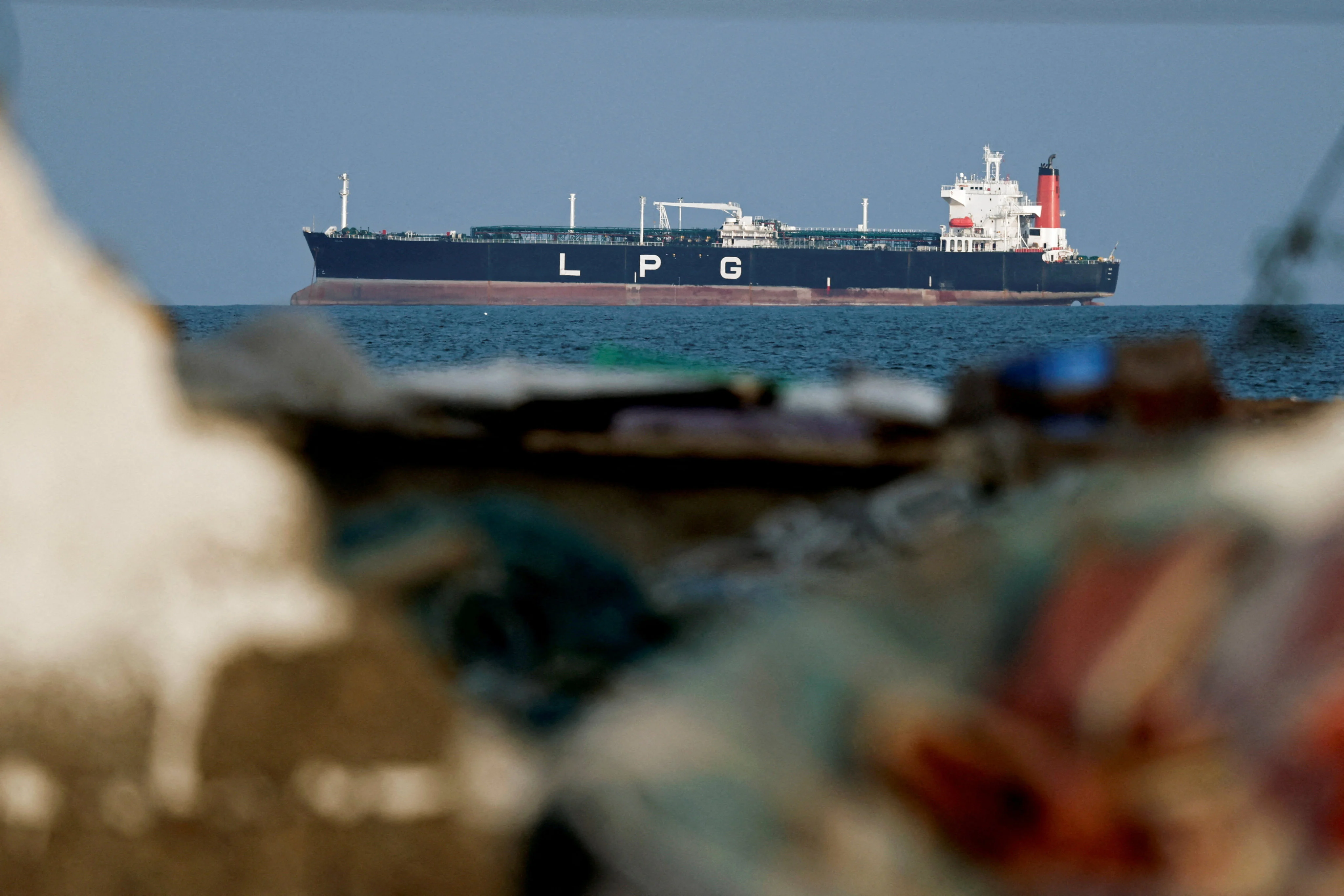
Maritime traffic in the Strait of Hormuz has nearly ground to a halt.
Photo: Reuters The scramble in Asia to secure Russian energy supplies – coupled with the temporary lifting of US sanctions – in the wake of the war in Iran has created a growing sense that Moscow might prove the main winner from the conflict.
Earlier this week, Russian President Vladimir Putin told a meeting of oil and gas suppliers that they should use the “additional revenues” generated by the spike in energy prices as a result of the war and the effective blockade of the Strait of Hormuz.
Putin has also benefited from US leader Donald Trump’s decision to lift sanctions on some Russian oil and gas supplies for about a month following a phone conversation between the two presidents, with the European Commission also delaying plans to permanently ban Russian oil imports, citing “current geopolitical developments”.
These developments, along with the Trump administration’s increasing focus on the Americas rather than Europe, have led to a growing belief that Moscow would prove to be the biggest – or even, according to European Council President Antonio Costa, the only winner.
But analysts warned against overestimating the boost Moscow would receive, saying factors such as the war in Ukraine and its domestic economic woes would limit its ability to benefit from the US shift in focus. “The current situation in Iran and the Middle East is relatively favourable for Russia’s geopolitical and geoeconomic standing, especially in the short term,” said Zhang Xin, deputy director of the Centre for Russian Studies at East China Normal University in Shanghai.
He said the surge in crude oil prices would benefit its finances while the US might divert military equipment that would otherwise be sent to Ukraine to the Middle East.
Zhang also said the US’ “unilateral and highly uncertain” behaviour towards Iran could further erode its image and credibility as a global leader, potentially to Russia’s advantage.
However, he said much of this impact would be short-term, echoing other analysts, who said the war was unlikely to have “meaningful” impact on its relationship with China.
Zhao Long, the director of the Institute for International Strategic and Security Studies at the Shanghai Institutes for International Studies, said it would be “one-sided” to view Russia as the main winner and there was a “question mark” about how long Moscow could benefit from the spike in oil prices and suspension of US
原文链接: 南华早报