
China’s Pony AI to launch robotaxi service in Europe with Uber, local start-up
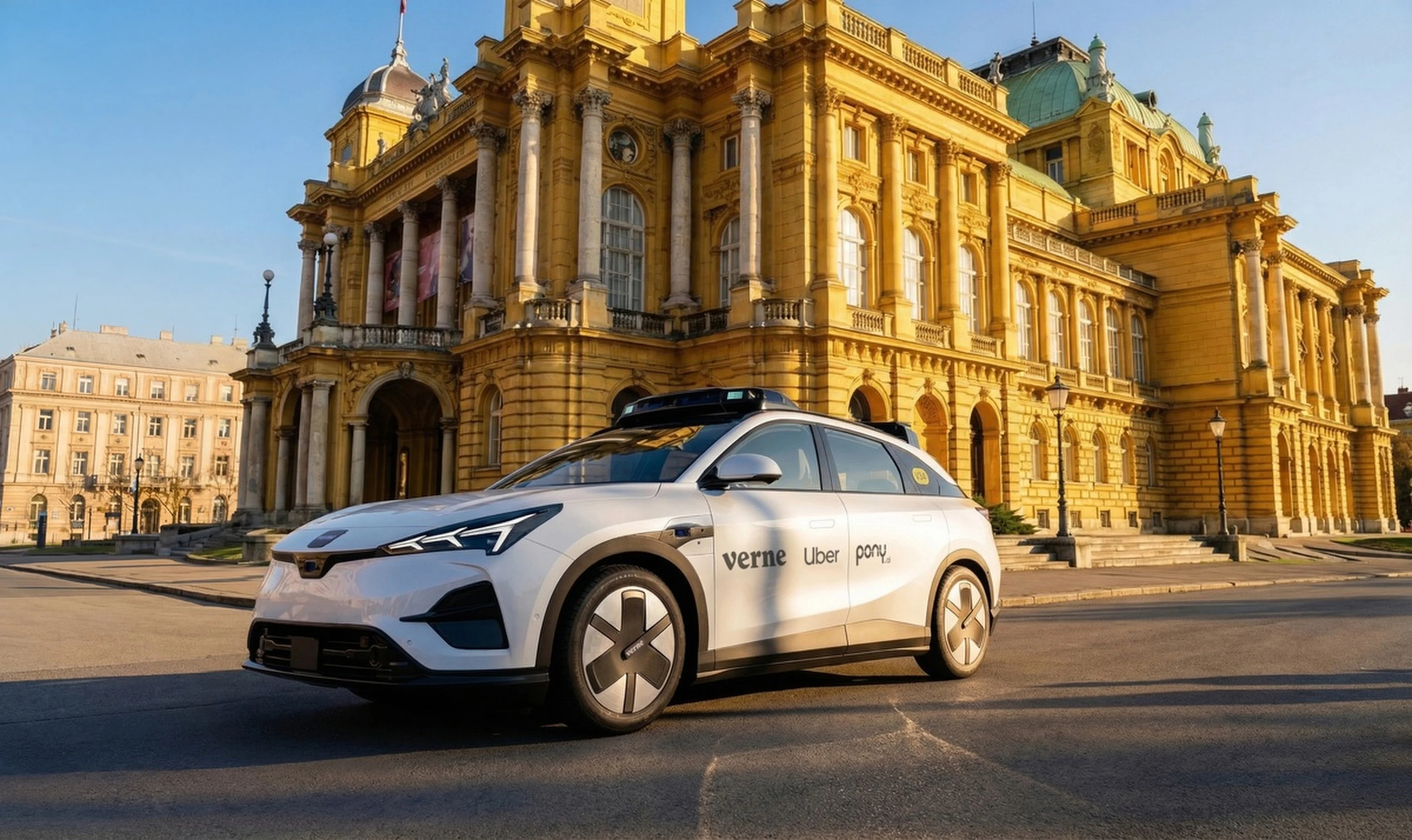
he partners have begun testing in Zagreb, Croatia, using Pony’s Gen-7 system and electric SUVs made by Chinese state-owned carmaker BAIC.
Photo: Handout Chinese self-driving technology firm Pony AI plans to launch robotaxi services with partners Uber Technologies and Verne in Zagreb, Croatia, spearheading commercialisation of autonomous cabs in Europe amid an accelerated go-global drive.
The three companies aimed to operate a fleet of thousands of robotaxis in various European cities over the next few years after achieving consistent performance and safety, Guangzhou-based Pony said on Thursday.
Neither the starting date for the service nor the initial fleet size was revealed.
Pony said a first batch of robotaxis would be put into operation soon. “In Europe, we see our role as the autonomous driving technology provider and enabler,” said James Peng, Pony’s founder and CEO, in a statement. “Our approach to overseas markets is to work with strong local ecosystems, combining our proven technology with local strengths in operations, market access and regulatory execution.” Under the partnership, Pony will provide its self-driving technology, while ride-hailing firm Uber will integrate the autonomous cab services into its network.
Verne, a Croatian robotaxi start-up, will operate as a fleet owner and service operator.
According to current standards, robotaxis have level 4 (L4) self-driving capabilities.
That means the driverless cabs do not require human intervention in designated areas, according to SAE International, a global standards body.
Some jurisdictions require a person in the driver’s seat for safety reasons.
In Zagreb, the companies have already begun on-road testing, using Pony’s Gen-7 autonomous driving system and Arcfox Alpha T5 electric SUVs made by Chinese state-owned carmaker BAIC.
Pony, Baidu subsidiary Apollo and WeRide are viewed as mainland China’s top three robotaxi firms, all of which have received approval from authorities to operate driverless cabs on designated roads in cities including Beijing and Shanghai.
They are also seen by analysts and industry officials as China’s answer to US-based Waymo, the global leader in self-driving taxi services.
Many robotaxi services currently charge fees that are as little as 10 per cent of what normal taxis charge.
Chinese robotaxi firms are outpacing US competitors in overseas markets after successfully ramping up services at home.
They have begun trial runs of robotaxi services in m
原文链接: 南华早报