
As oil-shocked world turns to renewables, China will reap the rewards
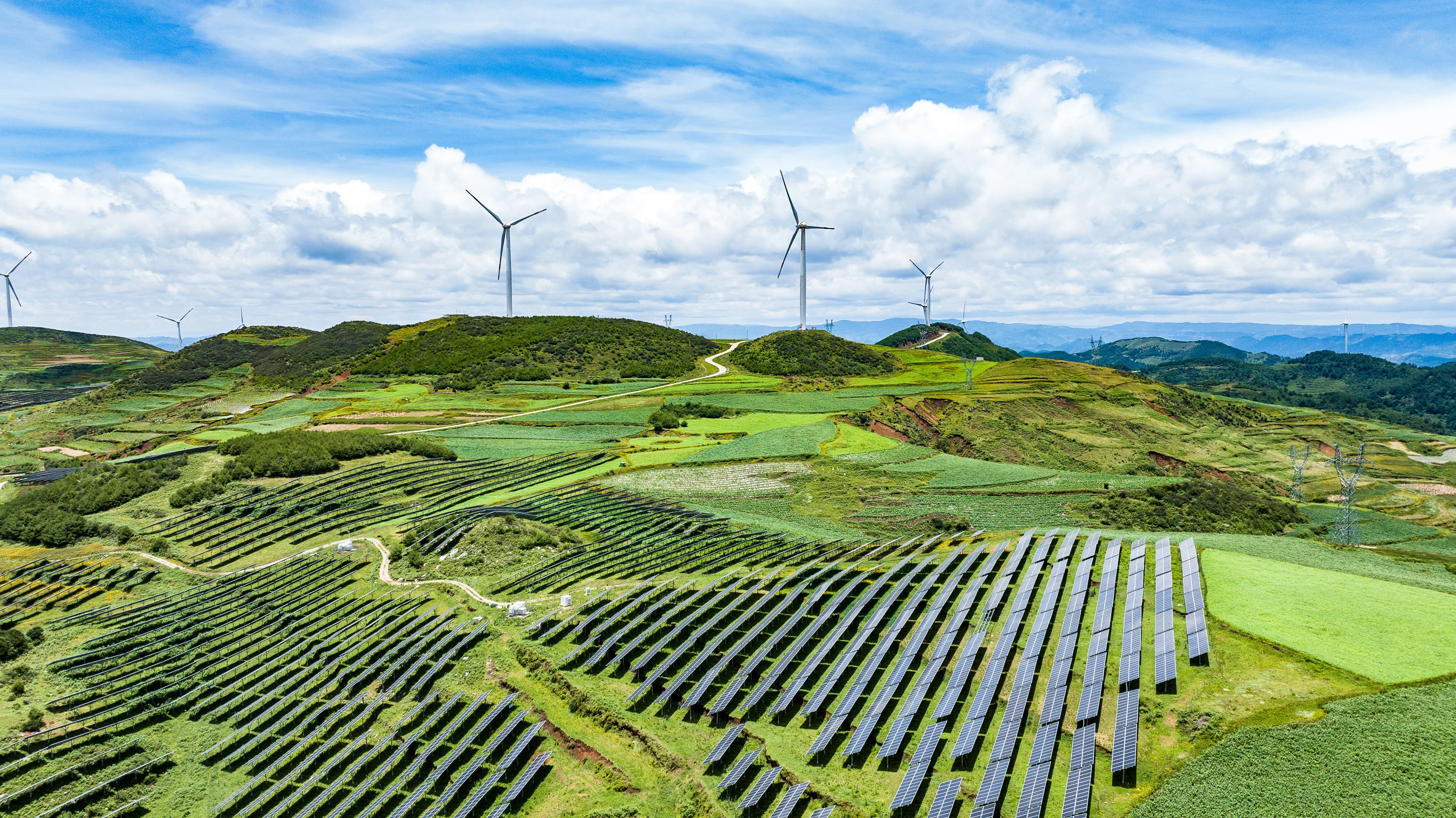
he Xianshuiwo photovoltaic power plant in the Yi-Hui-Miao autonomous county of Weining, in southwest China’s guizhou province, is seen on July 3, 2025.
Photo: Xinhua The Iran war’s oil shock has dramatically increased the security risk for oil-dependent countries, incentivising a turn towards renewable energy.
This impact will outlast the war and oil price spikes because the world knows this war will recur.
China will be the biggest beneficiary and its exports are likely to do very well this year, offsetting losses from buying higher-priced oil.
A fifth of the global supply of oil and liquefied natural gas plus a third of seaborne fertilisers traditionally go through the Strait of Hormuz.
Iran has closed this to all but a few vessels from friendly countries.
As oil inventories drop, the price will rise further.
When the oil price is high enough, stock markets will tumble, triggering a global recession.
The war is likely to end with the US stock market down 15 per cent or more.
The US economy depends on its stock market.
The huge investments in artificial intelligence that keep the economy afloat can only continue in a frothy market.
When the market crashes, AI investment will collapse.
The US government cannot continue the war with a collapsing stock market and recession looming.
Surging oil prices will end the war via the stock market.
A ceasefire is the likely first step, with the US then working out a deal to Iran’s satisfaction.
The Strait of Hormuz could be reopened in two months.
But even then, oil supply will be hampered by damage to the region’s infrastructure.
The long-term psychological impact of the oil shock will be profound.
Ending this war won’t bring lasting peace.
The US and Israel will try again.
They have been targeting Iran for four decades.
The expectation of more oil shocks will shape national policies for many years.
Countries that depend on oil imports, especially in the Global South, are likely to accelerate their adoption of renewable energies like solar and wind to acquire immunity against the impact of distant wars.
As oil becomes less important, the incentive to wage war against countries like Iran diminishes.
Renewable energy makes the world safer.
High oil prices make the switch compelling in value.
With just a basic 2 kilowatt residential solar panel set-up, which typically lasts 30 years, households in sunnier countries across the Global South can enjoy as much as 10 kilowatt-hours of electricity a
原文链接: 南华早报