
Iran war could boost China’s ‘petroyuan’ and weaken US dollar dominance, analysts say
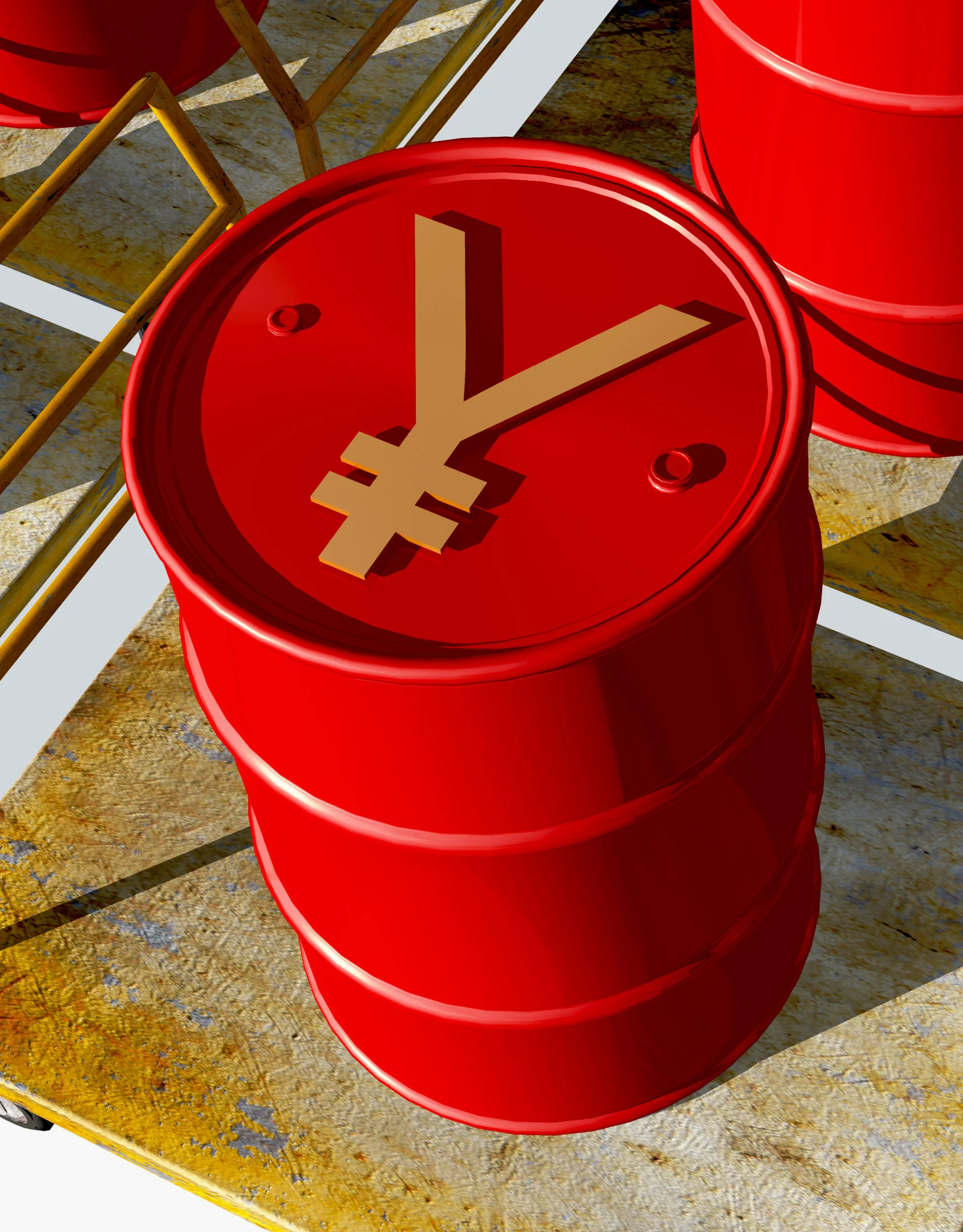
China launched yuan-denominated oil futures contracts in 2018, though US dollar-based contracts continue to dominate.
Photo: Shutterstock The US-Israeli war in Iran could weaken the US dollar’s historic dominance in the oil-rich Middle East and bolster a “petroyuan” alternative backed by China’s currency, according to analysts at a leading European bank.
Fallout from the nearly month-long conflict was testing the “foundations of the petrodollar regime”, while damage to Gulf economies “could encourage an unwind in their foreign asset savings”, Deutsche Bank analysts said in a research note published on Tuesday. “If the Gulf moves closer to Asia in its trade and investment relationships and eventually prices less oil in dollars, there could be significant downstream effects to the dollar’s usage in global trade and savings,” they added.
Most globally traded oil is priced and invoiced in US dollars under a system dating back to the 1974 petrodollar pact.
Under that deal, Saudi Arabia agreed to price oil in the American currency and invest surpluses in US dollar assets in exchange for security guarantees.
This arrangement helped dollarise global value chains, given oil’s central role in global manufacturing and transport, the analysts said.
But pressures on that system have grown in recent years.
Sanctioned Russian and Iranian oil already trades in non-dollar units, and Saudi Arabia has experimented with non-dollar payments for infrastructure projects, the Deutsche Bank analysts said.
Meanwhile, China launched yuan-denominated oil futures contracts in 2018, though petroyuan deals remain far smaller than US dollar-based contracts due to Beijing’s capital controls and the yuan’s limited convertibility.
Now, Iran is reportedly tying access to the Strait of Hormuz – which it effectively controls – to yuan payments for oil, German news outlet DW News reported on Tuesday.
About 20 per cent of global petroleum liquids consumption flows through the strait, according to the US Energy Information Administration.
The Deutsche Bank analysts argued this development should be “closely followed”, saying the conflict “could be remembered as a key catalyst for erosion in petrodollar dominance and the beginnings of the petroyuan”.
They pointed to a potential split: Middle Eastern oil shipped through the Strait of Hormuz to Asia could be priced in yuan, while oil from the western hemisphere sold to traditional US allies across the Atlantic and Pacific might remain pr
原文链接: 南华早报