
China’s weight-loss drug makers take on global giants as Novo Nordisk patent expires
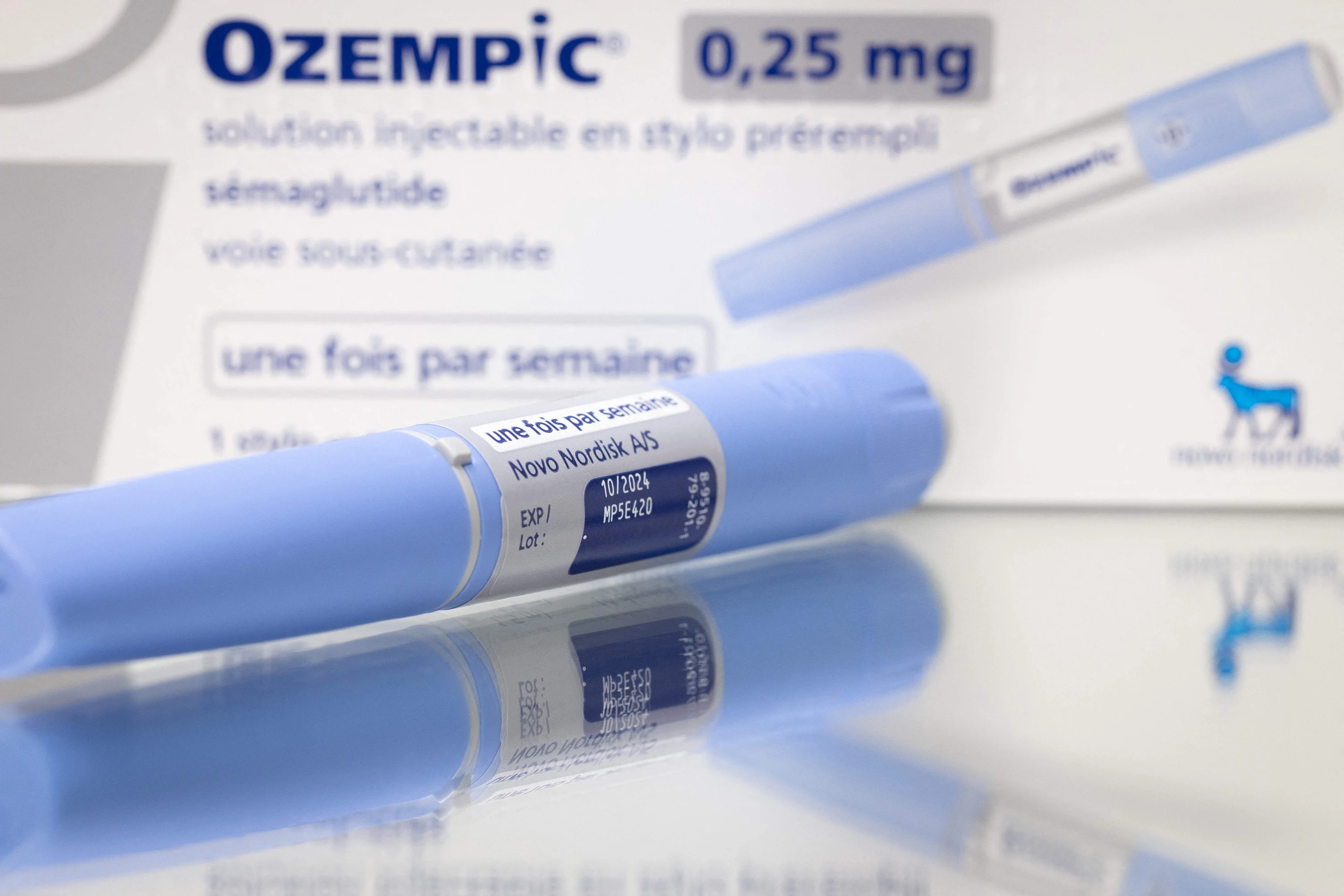
Semaglutide generated about US$35 billion in global revenue last year.
Photo: AFP At least 10 weight-loss injections and oral pills are lining up for regulatory approval in China, in a market projected to reach about US$14 billion by 2030.
Novo Nordisk’s blockbuster semaglutide, which generated about US$35 billion in global revenue last year, lost patent protection in China on March 20, clearing the way for rivals.
The rush comes as China’s drug regulator accelerates approvals of innovative therapies, helped by a surge in out-licensing deals with global pharmaceutical giants.
Notable applicants included Hengrui Medicine, China’s largest listed pharmaceutical firm by revenue, and Innovent Biologics, whose lower-dose version of mazdutide became the first home-grown obesity drug approved in China for chronic weight management, according to the National Medical Products Administration (NMPA).
Both Hengrui Pharma’s ribupatide and Innovent’s higher-dose mazdutide have reported phase 3 trial data suggesting greater weight-loss efficacy than semaglutide.
Hengrui’s once-weekly injection delivered 17.7 per cent average weight loss at its highest dose of 6 milligrams at 48 weeks, while Innovent’s 9mg of mazdutide achieved an 18.55 per cent average weight reduction at week 60, the companies’ trials showed.
Novo Nordisk’s blockbuster semaglutide lost patent protection in China on March 20.
Photo: Reuters The two drugs, for chronic weight management and severe obesity respectively, were filed for approval in late 2025.
Foreign drug makers are also jostling for position.
US giant Eli Lilly, which announced a US$3 billion investment in China, filed last year for approval of orforglipron, a once-daily pill that delivered 12.4 per cent weight loss at 72 weeks in its pivotal global trial, the company said.
The company is expanding its Suzhou facility and building high-volume manufacturing capacity for pills as part of the investment.
The Chinese market for GLP-1 drugs, used to treat both obesity and diabetes, is expected to hit US$14 billion by 2030, according to L.E.K.
Consulting.
With semaglutide’s patent expired, biosimilar and generic copies are set to flood the market.
Hangzhou Jiuyuan Gene Engineering, Livzon Pharmaceutical Group and Qilu Pharmaceutical are among the first Chinese drug makers to seek approval for semaglutide injections.
They filed applications in 2024, the NMPA website showed.
Fosun Wanbang, Huadong Medicine, CSPC Pharmaceutical and Ch
原文链接: 南华早报