
‘Demand shock’: China cannot escape the impact of a long Iran war, analyst warns
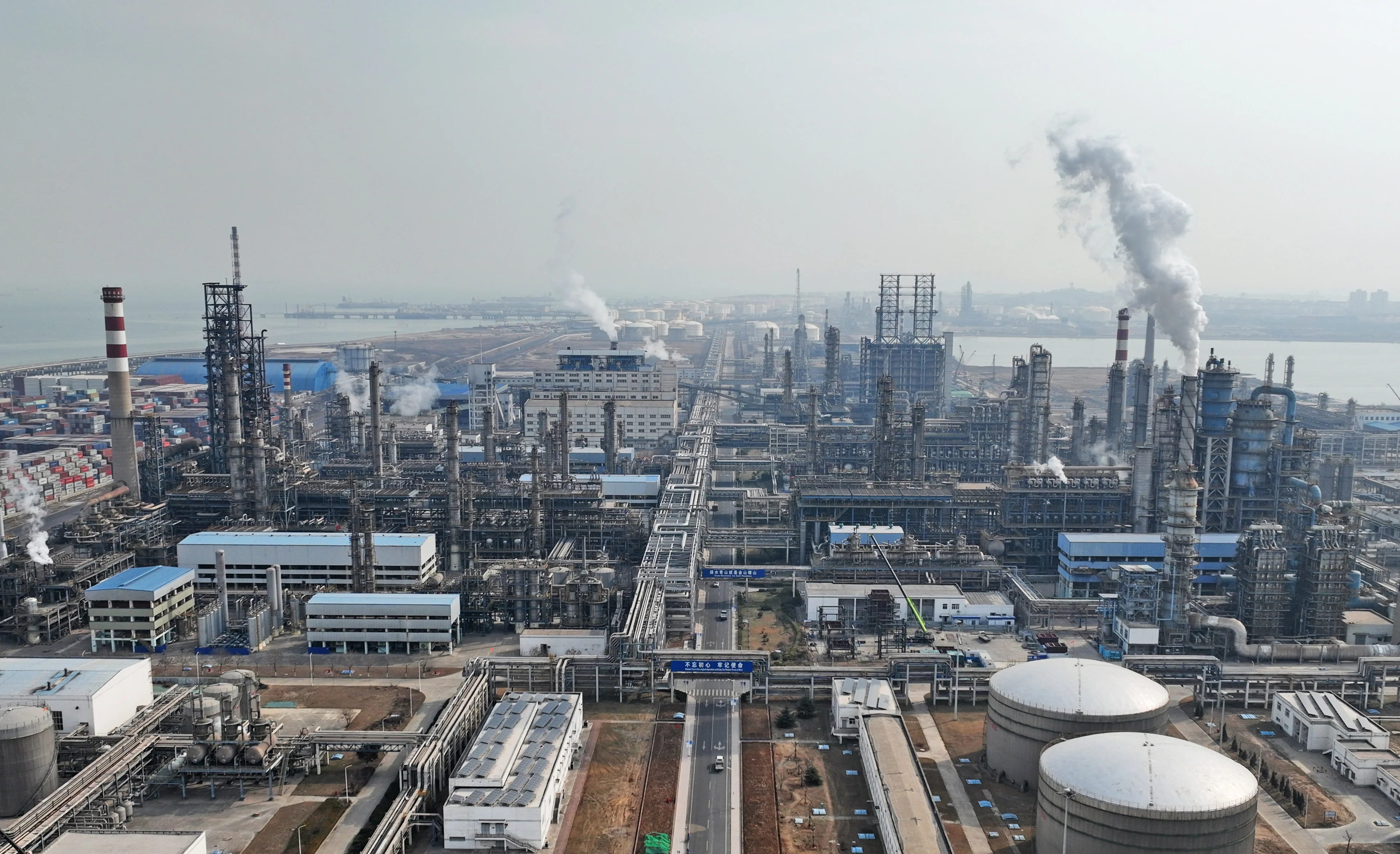
he US-Israel war on Iran could reduce demand for fuel in Southeast Asia, indirectly hurting Chinese oil refineries.
Photo: Getty Images While China appears better prepared than other countries to deal with the shocks brought by the US-Israel war on Iran, its economy would still come under pressure in the short term if its regional partners suffer, an executive with a global consultancy has said. “China might be more resilient, but China is not resilient to a demand shock,” said Denis Depoux, a global managing director at consultancy Roland Berger. “For example, if the economy is slowing down in Southeast Asia, if people stop using their cars because the government is asking them to work from home or they cannot afford to buy gasoline, then it would have an impact on Chinese refiners,” he said on Wednesday, on the sidelines of the Boao Forum for Asia.
The Association of Southeast Asian Nations is China’s biggest trading partner.
As the region’s consumer and industrial demand grows, Chinese companies are meeting much of that need – leveraging both direct exports and a growing network of manufacturing footholds across Indonesia, Vietnam, Cambodia and Thailand, Depoux said. “So the short-term impact [of the war] can be big, and can also lead to a financial crisis not necessarily in China, but indirectly affecting China,” he said.
But the conflict has not stopped Chinese companies from continuing to expand into overseas markets – including in the Middle East – with firms’ “super pragmatic adaptation” of supply chains creating buffers, according to Depoux. “It’s not that they are not aware of the risk.
The world has been riskier already for quite some time,” Depoux said. “But they are getting more sophisticated at managing all those restrictions and hurdles.” “Chinese companies will always find a way,” he added.
The situation in Iran has also complicated US-China relations in the short term, according to Depoux.
US President Donald Trump was originally expected to meet Chinese President Xi Jinping in Beijing next week, but the American side delayed the trip due to the war.
Washington now says the visit will take place on May 14-15. “It’s not so obvious that there is something to negotiate in the perspective of a deal,” Depoux said. “Is there something that can be traded?
Maybe energy, but given the current crisis, does that make sense?
Probably not.” “I think maybe the Trump administration wants a deal, [but I’m] not sure if China wants a deal.
China
原文链接: 南华早报