Shenzhen eyes ‘leapfrog’ gains in AI server supply chain under self-reliance push
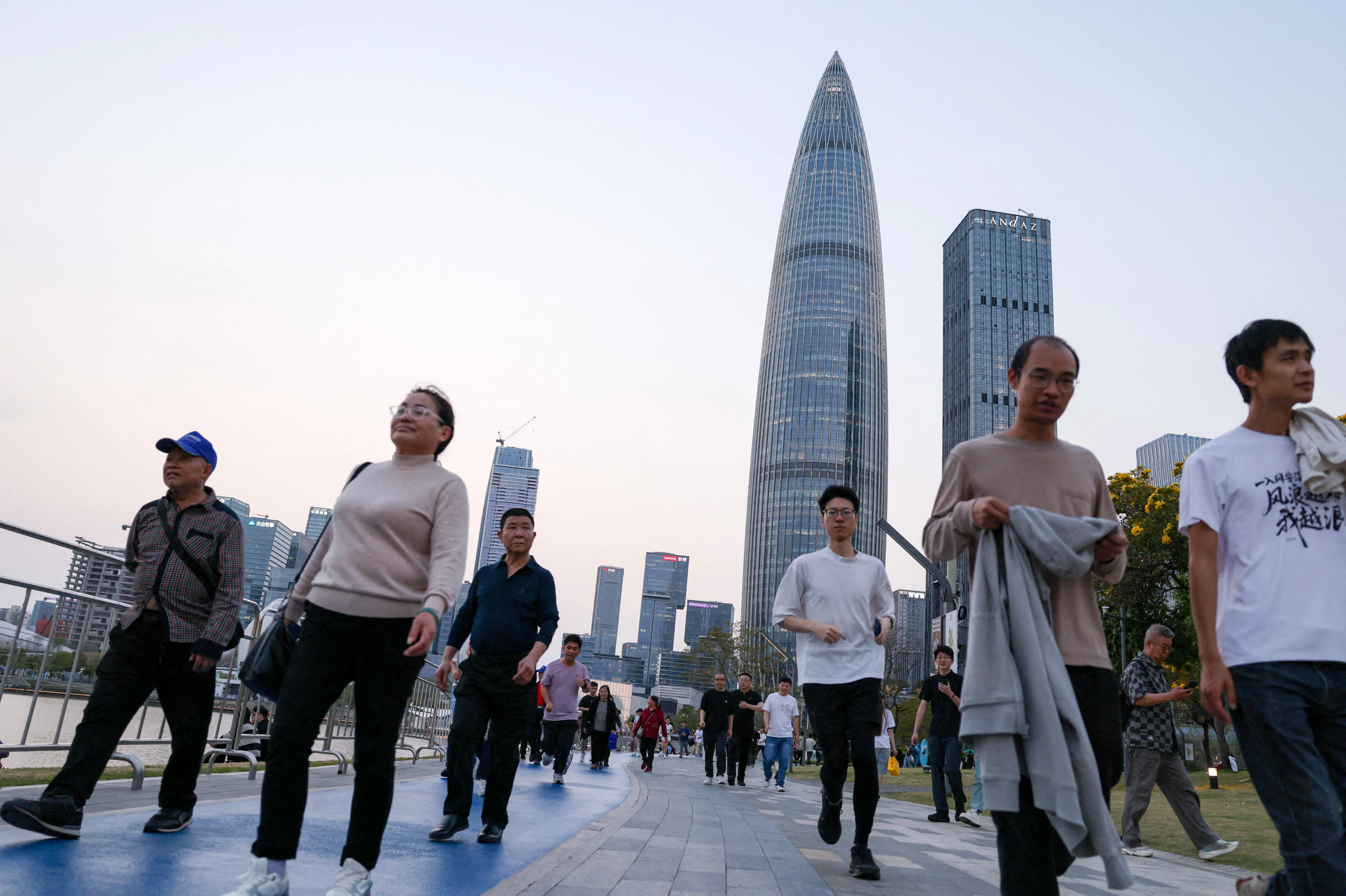
Shenzhen’s three-year tech blueprint aims to provide support for both industry giants and start-ups.
Photo: Reuters Shenzhen – southern China’s technology powerhouse – has launched an ambitious three-year action plan to build itself into a hub for intelligent computing clusters by advancing key areas such as semiconductors, storage and AI servers.
The city aimed to see a “leapfrog” increase in the production capacity and shipment volume of the entire AI server supply chain by 2028, according to the plan published Monday by Shenzhen’s industry and information technology bureau.
The blueprint is geared to “significantly boost the global market share of key components”, including chips, storage, printed circuit boards, power supplies and optical modules.
A key message is technological sovereignty.
The plan supports domestic chips, including graphics processing units, central processing units and neural processing units, and the “deep integration” of the open-source RISC-V architecture – adopted by many Chinese semiconductor giants to avoid US sanctions – with the open-source operating systems OpenEuler and OpenHarmony, both initially developed by Huawei Technologies before being donated to China’s OpenAtom Foundation.
The Shenzhen plan supports the “deep integration” of the open-source RISC-V architecture.
Photo: Handout All the hardware is intended to serve AI model training and computing.
For example, storage products should be “tailored for large-scale model training and supercomputing centres”, while cloud service providers should work with AI model developers to accelerate the “deep integration” of AI computing infrastructure and foster the “healthy development” of the domestic AI computing ecosystem.
The plan promises a “full-cycle investment and financing service framework” to strengthen support for small and medium-sized enterprises.
The government aims to provide support through capital and land allocations for relevant industries, and such support will cover not only industry giants but also start-ups.
In addition, the city government will encourage local colleges to introduce relevant majors and expand enrolment.
The measures came as Shenzhen – home to Huawei’s chip unit HiSilicon, storage giant Biwin Storage Technology, and Apple supplier Avary Holding, a major printed circuit board manufacturer – sought to evolve into a “world-leading hub for advanced manufacturing and a centre for industrial science and technology innovation with sig
原文链接: 南华早报