
Asian-Americans say they are still seen as foreign, study finds
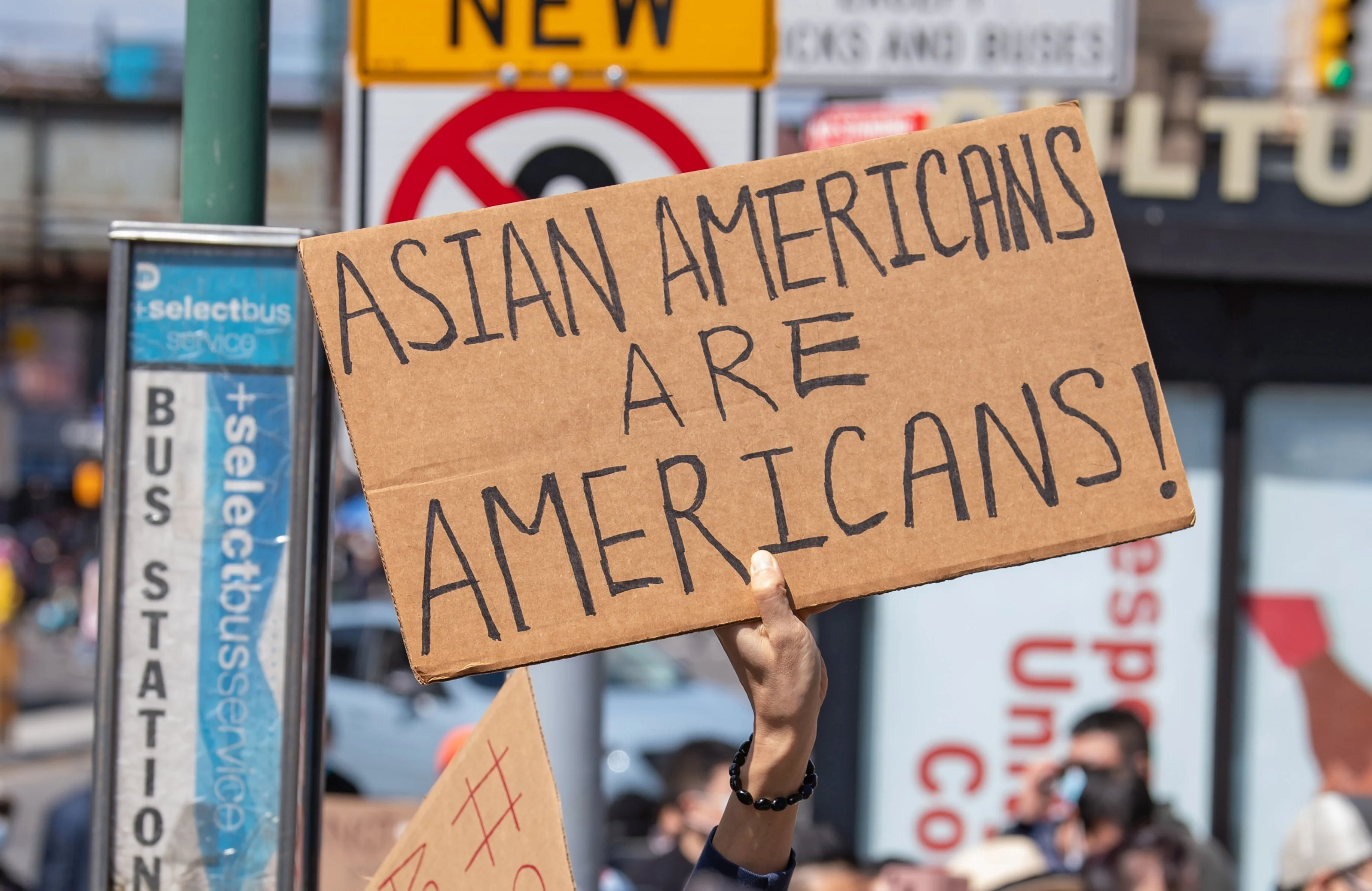
More than half of Asian-Americans in the US face monthly “assumed foreignness,” even if born in the country.
Photo: Shutterstock Like many Asian-Americans, US-born Tiffany Chin has faced her share of slights, including being treated as “other” or “foreign” and judged at times by her race rather than her accomplishments.
Growing up outside Chicago, she recalls that in primary school her musical talents were attributed to her “Chinese genes”, and she was told, “you’re probably so good at maths because you’re Asian”.
And as an adult on a family trip to Florida, people gave her nasty looks when she went jogging, wondering what she was doing there, while non-Asians during the pandemic would cover their mouths or walk away when they saw her. “I hadn’t even visited China in over a year,” said Chin, a 30-something Los Angeles-based manager in the recording industry. “But I was still treated as if I had personally been the one to bring Covid to the States.” Most Asian-Americans have had similar experiences.
According to a study released on Wednesday, over half of the Asian-American community living in the US have experienced some version of “assumed foreignness” on a monthly basis, confronted with such questions as “how did you learn to speak English so well?” and “where are you really from?” – even if they’ve lived in the US for generations.
Source: Committee of 100; NORC A survey by the Committee of 100 (C100) and NORC at the University of Chicago, an independent research organisation, found that respondents had nearly identical “perpetual foreigner” experiences whether born abroad or in the US, indicating the treatment was strongly tied to race and appearance.
The constant subtle and not-so-subtle xenophobia can result in notably higher rates of stress and mental health problems.
US-born respondents who reported being treated like foreigners – some did not – experienced nearly twice the stress compared with those who experienced no such prejudice, based on a commonly used “psychological distress” test. “Those who regularly encounter assumptions of being foreign-born or unable to speak English feel societally excluded at significantly higher rates,” the report said.
For US-born Asian-Americans who frequently face assumptions of foreignness, 29 per cent feel like they only belong “a little” or “not at all”.
While perpetual foreigner treatment has been around as long as Asians have lived in the US, the report sought to compare the Asian experience with two
原文链接: 南华早报