
China still on track to supplant US as world’s No 1 economy in 10 years: academic
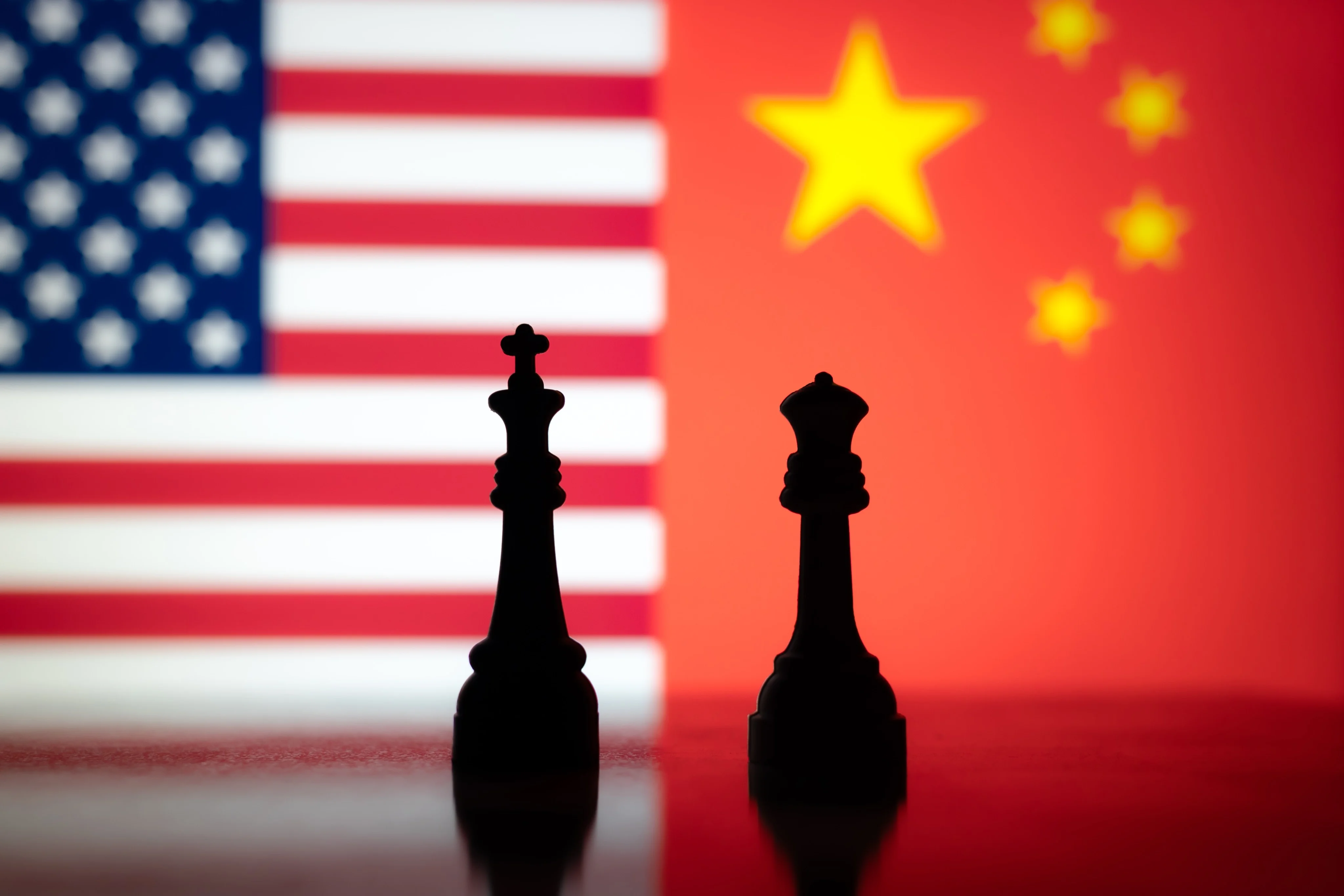
China is still on course to overtake the United States as the world’s largest economy in 10 years, according to Li Cheng, a professor of political science at the University of Hong Kong.
Photo: Shutterstock China is still on course to overtake the United States as the world’s largest economy in the next decade, as the global balance of power pivots towards Asia and America pursues a string of “self-defeating” policies, a prominent academic has said.
While the Chinese economy is undergoing a structural transition, the current challenges facing the US are more severe, according to Li Cheng, the founding director of the University of Hong Kong’s Centre on Contemporary China and the World.
The US is likely to remain mired in “self-defeating” conflicts – from culture wars to the global trade war launched by US President Donald Trump – for years to come, said Li, who was speaking at the Boao Forum for Asia, an annual gathering of political and business leaders in southern China’s Hainan province, on Tuesday. “China’s Cultural Revolution lasted 10 years – I think probably this also [might take] 10 years,” he said, referring to American domestic instability.
Li pointed to the rise of conservative and anti-immigration policies targeting elite US academic institutions, such as the Trump administration’s attempt to revoke Harvard University’s ability to enrol international students last year and growing criticism of research collaborations with China.
Hostility towards globalisation is particularly prevalent in the US, despite the fact that trade is not the most significant factor in economic development, according to Li, who previously served as director of the Washington-based Brookings Institution’s John L.
Thornton China Centre.
Trump’s decision to launch a global trade war last year might also have sprung from US feelings of weakness, confusion and fear over its relative decline amid a changing geopolitical landscape, Li suggested.
In April 2025, Trump imposed tariffs on dozens of countries by executive order, which he justified by declaring a national emergency.
At one point, duties on Chinese goods soared to well above 100 per cent before being reduced following a series of trade talks.
The rates declined further after the US Supreme Court struck down Trump’s emergency tariffs in February, but Trump has since imposed a fresh 10 per cent global tariff using a separate emergency provision. “We probably should not think that the US conducted all these t
原文链接: 南华早报