
Record-smashing heat spreads: ‘Basically the entire US is going to be hot’
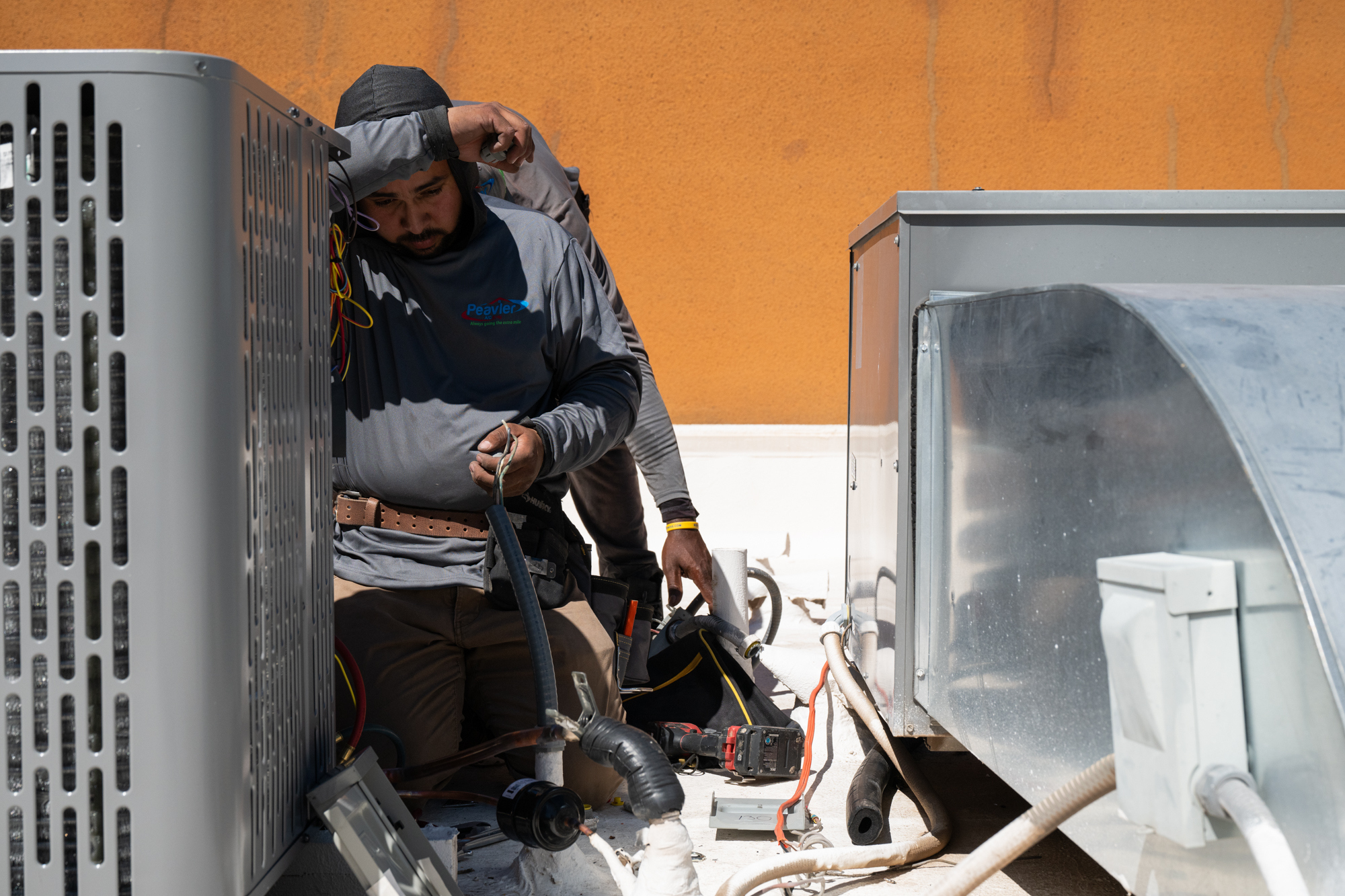
Brian Hermosillo wipes sweat from his brow while installing a new air conditioning unit during record-breaking heat Thursday, March 19, 2026, in Tempe, Ariz. (AP Photo/Caitlin O'Hara) 2026-03-23T20:12:37Z After smashing March heat records in 14 states and the U.S. as a whole, the gigantic heat dome that’s baked the Southwest is creeping eastward and may end up being one of the most expansive heat waves in American history, meteorologists and weather historians said.
And it’s not going away for awhile, maybe not till the middle of the next week as April starts, said meteorologist Gregg Gallina of the National Weather Service’s Weather Prediction Center. “Basically the entire U.S. is going to be hot,” Gallina said Monday. “The area of record temperatures is extremely large.
That’s the thing that’s really bizarre.” This heat dome — in which high pressure is acting like a pot lid trapping hot air over a region — will leave Flagstaff, Arizona, with 11 or 12 straight days of temperatures higher than the city’s previous March record, said meteorologist Jeff Masters of Yale Climate Connections.
A sign warns hikers of trail closures due to extreme heat at Camelback Mountain on Thursday, March 19, 2026, in Phoenix. (AP Photo/Rebecca Noble) –> Add AP News on Google Add AP News as your preferred source to see more of our stories on Google. –> Share Share Facebook Copy Link copied Email X LinkedIn Bluesky Flipboard Pinterest Reddit Read More Gallina said the dome’s eastward movement will mean temperatures in the 90s Fahrenheit (mid-30s Celsius) by Wednesday over the southern and central Plains.
From one-quarter to one-third of the 48 continental states will be flirting with records for March, Gallina said.
The physical area of this heat wave likely dwarfs two other historic heat waves — one in 2012 in the Upper Midwest and Northeast and another in 2021 in the Pacific Northwest — according to weather historian Chris Burt, author of the book “Extreme Weather.” It may not be as large as the Dust Bowl heat waves of 1936, but that was a series of heat waves over two months during summer, not a single big event like now, Burt said.
Read more Graphics show the scale of extreme heat hitting the US 29 Both the Dust Bowl and the 2021 heat wave were more intense, with higher temperatures that hurt people more because they fell in June and July, Gallina said.
Another saving grace for people in this heat wave is that it’s not as humid as it would be if the temperature
原文链接: AP News