Rights to antibody drug by China’s Keymed change hands in Gilead acquisition of Ouro
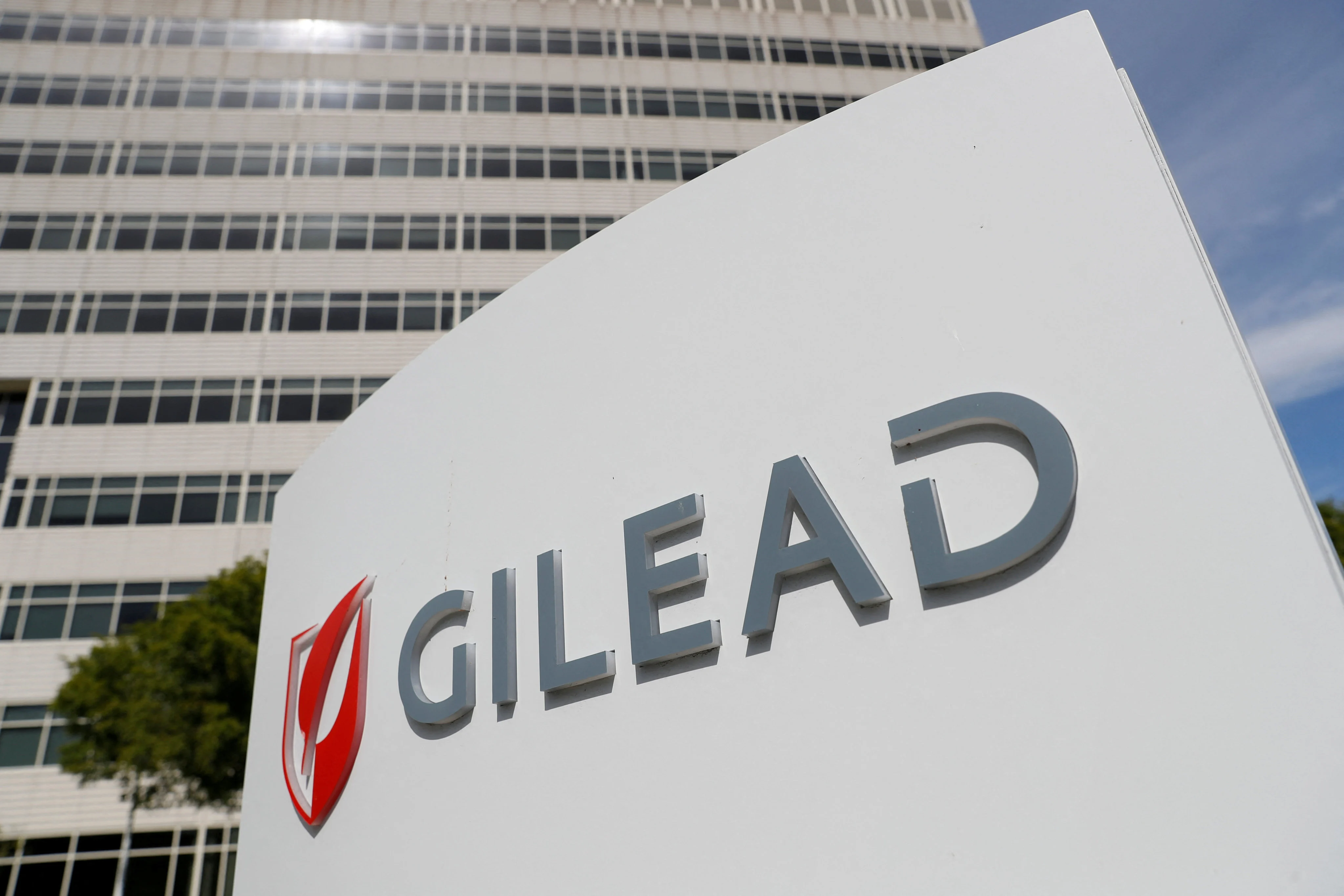
Gilead Sciences is one of many drug firms facing a revenue gap owing to expiring patents.
Photo: Reuters US biopharmaceutical company Gilead Sciences agreed to buy Ouro Medicines, which is developing an antibody-based medicine for autoimmune diseases licensed from China’s Keymed Biosciences, in a deal worth up to US$2.18 billion.
Gilead Sciences is among a group of global drug makers facing patent expirations and turning to mergers, acquisitions and licensing deals to refill their drug pipelines.
Under the agreement, Gilead Sciences would pay shareholders of US-based Ouro Medicines US$1.675 billion in cash upfront, plus up to US$500 million tied to milestone payments, according to an exchange filing on Tuesday.
The transaction aimed to speed up the global development of CM336, or OM336, an experimental treatment that could be the best-in-class T-cell-engaging antibody for autoimmune diseases, the filing said.
Ouro holds exclusive rights – licensed from Sichuan-based Keymed in 2024 – to develop, manufacture and commercialise CM336 outside mainland China, Hong Kong, Macau and Taiwan.
In return, Keymed received upfront and near-term payments and a minority equity interest in Ouro, which now stood at about 15 per cent, according to a separate filing with the Hong Kong stock exchange.
On completion of the acquisition by Gilead Keymed expects to receive about US$250 million in upfront cash, plus up to US$70 million in additional milestone payments, for a total potential payout of about US$320 million.
Keymed’s Hong Kong-traded shares gained 6.4 per cent on the day to HK$53.70 as of 3.35pm.
Global spending on life sciences mergers and acquisitions jumped 81 per cent in 2025 to US$240 billion, as global pharmaceutical giants turned to deals to plug an expected growth gap of up to US$370 billion by 2032 owing to blockbuster drugs losing patent protection, according to consulting firm EY.
Early stage drugs developed by Chinese pharmaceutical firms have become a hunting ground for global companies looking for fresh products.
Licensing deals by Chinese drug firms this year totalled about US$52 billion from 41 transactions as of February 24, according to JPMorgan, following a record number of deals last year.
One of the latest is Sino Biopharmaceutical’s deal with Sanofi in early March, worth up to US$1.53 billion, which grants the French drug maker exclusive global rights outside China to develop, manufacture and sell an oral drug for blood cancer and immu
原文链接: 南华早报